Transform Your Garden: Expert Maintenance Tips for Paths and Borders
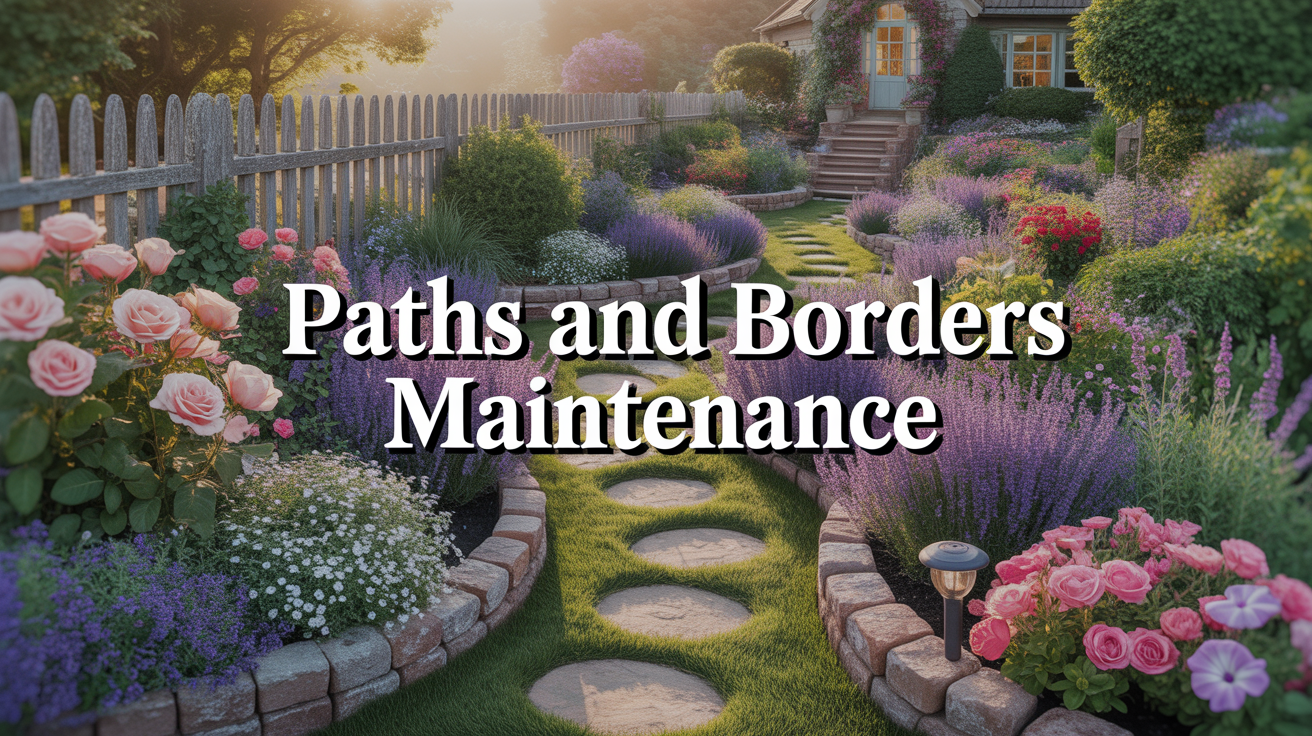
Transform Your Garden: Expert Maintenance Tips for Paths and Borders 🌸
Every garden tells a story. The flowers and vegetables speak loudly, but the paths and borders—those quiet keepers of order—they whisper the rhythm of daily care. I’ve noticed how a neglected border or a cluttered path makes me feel restless, like walking into a busy room where everything is just a little out of place. But when the path is swept clean and the borders are neatly defined? I feel invited to walk slowly, to pause, and to breathe in the beauty around me.
Jesus spoke of the “narrow way” that leads to life (Matthew 7:14). In our Houston gardens, tending our paths and borders reminds me of that spiritual call to walk intentionally—choosing what to keep, what to clear away, and what to let flourish. When we care for these quiet spaces, we’re really tending to the whole garden’s soul.
Free eBook
Rooted in Grace
A Christian guide to intuitive gardening — the whole book, free. Tell me where to send it and it’s yours in a minute.
Why Paths and Borders Matter 🌿
Paths give direction. They guide our steps and protect the tender soil of our garden beds from heavy feet—especially important here in Zone 9 where our clay-heavy soils can get compacted quickly.
Borders frame beauty. They hold back the encroaching grass, keep weeds at bay, and highlight the plants we’ve lovingly tended. In our humid Houston climate, a strong border is your first defense against aggressive growth.
Together, they create peace. A clear path and a well-defined border invite us to linger in our gardens with joy rather than frustration. Just like in life, when our boundaries are clear and our way forward is uncluttered, we feel more freedom to live with grace.
Path Maintenance for Zone 9 Gardens 🚶♀️
Keep Them Clear and Inviting
In our subtropical climate, leaves and organic matter accumulate quickly—sometimes it feels like overnight! Weekly sweeping or raking keeps paths looking intentional and prevents that musty smell that comes from decomposing debris in our humidity.
For gravel paths (popular in Houston gardens), rake stones weekly to level them out. You’ll need to add a fresh layer each season—I typically do this in early spring and again in late summer before our heaviest rain season. Don’t skimp here; fresh mulch or gravel not only looks inviting but also smells like a reset for your soul.
Sanda’s Zone 9 Note: Our Houston heat and humidity can break down mulch faster than cooler climates. Plan for refreshing paths and borders every 6-8 weeks during growing season, not just seasonally. Cedar mulch holds up better in our wet conditions than regular bark chips.
Fight Weeds Early 🌱
A few minutes of pulling small weeds saves hours of work later. This is especially true in Zone 9, where our long growing season means weeds are almost always ready to establish themselves. I make it a practice: every time I walk the garden paths, I pull 5-10 weeds. It becomes a meditation rather than a chore.
For the cracks between pavers and stones, try boiling water (the most effective method), vinegar spray, or even a light sprinkle of baking soda on a dry morning. For long-term prevention, lay cardboard or landscape fabric under gravel or mulch before installation. This is worth the effort in our climate—it makes a tremendous difference by midsummer.
Sanda’s Garden Wisdom: Never use chemical weed killers along paths where you might brush against plants you want to keep. In our Houston humidity, drift happens quickly, and you could accidentally damage treasured neighbors in your beds.
Repair Quickly 🛠️
Reset any wobbly pavers or stepping stones immediately—small trip hazards can quickly undo the peace and safety of a walk. After our summer storms and winter rains, settling is common in Houston’s clay soils, so inspect paths every few weeks.
Add edging (stone, brick, or cedar) to keep mulch or gravel contained where it belongs. Cedar is beautiful and naturally rot-resistant in our climate, making it worth the investment. If you struggle with muddy sections—and who doesn’t in a Houston summer?—add stepping stones or a path of wood chips to lift your feet above the wetness.
Add Beauty and Fragrance ✨
Solar lights along a path extend garden enjoyment into our long Houston evenings. They’re affordable, require no wiring, and they create an inviting atmosphere for evening walks.
Plant creeping thyme or chamomile between stones for fragrance underfoot. Both thrive in Zone 9 and become more fragrant with foot traffic. Even a path deserves flowers—scatter low-growing alyssum, marigolds, or violas nearby for cheerful color through our growing seasons. The burgundy and cream varieties of alyssum especially add sophistication while blooming nearly year-round here.
Border Maintenance Tips for Houston Gardens 🌼
Weed and Edge Consistently
A sharp border transforms a messy bed into a welcoming one. Use a half-moon edger or spade every few months to redefine the line between lawn and garden bed. In our climate, this should happen at least four times yearly—early spring, late spring, midsummer, and fall—because our grass never truly stops growing.
Pull weeds along the edge before they creep inward. It’s always easier to defend the border than reclaim lost ground. I spend ten minutes each week just working the edge with my hands, removing anything that’s trying to migrate where it shouldn’t be.
Mulch with Intention 🍂
A 2-3 inch layer of mulch keeps weeds down and moisture steady—critical in our Texas heat. Choose materials that suit your garden style and your Zone 9 needs:
| Mulch Type | Best For | Houston Durability | Refresh Rate |
| Cedar chips | Rustic beds, aromatic appeal | Good (6-8 months) | Every 6-8 weeks |
| Pea gravel | Neat edges, formal look | Excellent | Spring and late summer |
| Compost | Soft, natural appearance | Fair (breaks down quickly) | Every 6 weeks in heat |
| Hardwood bark | Budget-friendly, classic | Moderate | Every 8 weeks |
Refresh mulch in early spring (March for us) and again in mid-summer (July) if needed. Our humidity breaks down organic mulches faster than in drier climates, so don’t be surprised if you need refreshing more often than national gardening guides suggest.
Trim and Contain ✂️
Grass and groundcovers love to spill over into your beds, especially in the lush Houston heat. Clip them back before they overwhelm your design. Low shrubs or perennials along borders can be pruned lightly to keep edges crisp and inviting.
I find this work deeply meditative—the gentle snipping, the immediate visual reward of a cleaner line, the sense of intentional care. It takes maybe 15 minutes per border, and the transformation is striking.
Grow Living Borders 🌱
Herbs like thyme, germander, or santolina make beautiful, functional border plants. They tolerate our heat, respond well to edging, and add fragrance as you brush past. Esperanza (Tecoma stans) creates a golden-flowered border that blooms heavily in late summer and fall—perfect for defining space while adding real garden presence.
For shade borders, consider shade-tolerant groundcovers like liriope or Asian jasmine. They hold an edge well and don’t require constant trimming like turf grass.
Seasonal Timing for Zone 9 Houston Gardens 📅
| Season | Path Tasks | Border Tasks |
| Spring (Feb-Apr) | Fresh mulch, clear winter debris | Edge beds, mulch refresh, prune back |
| Summer (May-Aug) | Weekly sweeping, add mulch mid-season | Aggressive weed management, frequent edging |
| Fall (Sep-Nov) | Rake leaves, sweep regularly | Edge beds, remove fallen foliage |
| Winter (Dec-Jan) | Light maintenance, rake as needed | Minimal work, plan spring projects |
The Spiritual Side of Tending Paths and Borders 🙏
There’s something holy about this work. As we clear away what doesn’t belong and define what does, we’re practicing discernment. We’re saying: this space is intentional. This matters. I tend it with care.
When a friend walks through our garden on a path that’s clean and bordered by flowering plants, they feel invited. They feel welcomed. That’s the gift of this quiet maintenance work—it
Understanding Houston’s Unique Soil and Path Challenges 🌧️
Our Zone 9 Houston clay soil presents specific challenges that gardeners in sandier regions simply don’t face. When we neglect paths and borders, water pools and compacts in ways that create real problems—not just aesthetics, but actual drainage failures that affect nearby plants. I’ve learned this the hard way: a poorly maintained path becomes a water trap during our intense summer storms, and that standing water weakens root systems and invites fungal issues.
This is why edging and clear path maintenance aren’t luxuries here—they’re essential infrastructure. When your border is crisp and your path is elevated even slightly, you’re creating the subtle grading that allows water to flow away from plant roots. It’s the difference between a healthy garden and one that struggles with root rot come August. Pay attention to how water moves through your paths after a rain. If it’s pooling rather than flowing, it’s telling you something needs adjustment. Sometimes it’s as simple as adding a slight crown to a gravel path, or installing a French drain alongside a problem border. Our clay demands this attentiveness.
The Rhythm of Seasonal Border Transitions in Our Long Growing Season 🍂🌱
Most gardening guides assume a traditional four-season rhythm, but here in Houston, we live in a more compressed cycle. Our winter is gentle enough that some plants never truly go dormant, and our summer extends so long that it practically becomes two seasons. This changes how we think about border maintenance throughout the year.
In late summer—around August—when many gardeners nationwide are winding down, we’re actually at a critical maintenance moment. Our borders are exhausted from the heat, mulch has broken down significantly, weeds have had months to establish themselves deeply, and our plants are stressed. This is when I do what I call a “border reset.” I’ll completely pull back the old mulch, edge aggressively, pull every weed I can find (including those tap-rooted ones that have gone deep in our clay), and lay down fresh material. It feels like a mid-season refresh that gives plants a fighting chance through the last push of heat before fall finally arrives in October.
Then in late fall, around November, I do a lighter maintenance pass—edging again, removing fallen leaves that can smother low plants, and adding compost to borders if I have it. This prepares the beds for our mild winter and the early spring flush when everything wants to grow at once. Understanding this rhythm means you’re working with the climate rather than against it. Your borders will thank you with healthier plants and fewer pest problems.
Creating Pathways That Serve Multiple Seasons and Purposes 🌞🌙
In our humid Houston environment, paths serve functions beyond simply directing foot traffic. They become part of the garden’s microclimate. A wide, well-mulched path running east-west might provide afternoon shade to heat-stressed plants nearby. A path with good drainage protects surrounding beds from waterlogging. Strategic path placement can even create wind tunnels that help dry morning dew faster, reducing fungal disease pressure.
Think about how your paths can work harder for your garden. If you have a north-facing border struggling in partial shade, running a path on its south side might actually create beneficial reflected heat and light. If you have a bed that stays too wet, a well-edged path with proper grading on the downhill side can redirect excess moisture away from vulnerable plants.
I also love using paths for seasonal enjoyment beyond their practical function. A path lined with fragrant plants becomes a sensory experience—thyme and chamomile underfoot in spring, lantana and zinnias blooming overhead in summer, salvia and asters in fall. Solar lighting transforms an evening walk into quiet time for reflection. A bench at the path’s end creates a destination, a pause point where you sit and simply observe. In our year-round gardening climate, the path becomes not just infrastructure but an invitation to slow down and witness what’s growing.
| Path Function | Best Material in Houston | Drainage Benefit | Maintenance Need |
| Heavy traffic route | Pavers or stepping stones | Excellent (water flows under) | Sweep, reset settling stones |
| Casual garden stroll | Pea gravel or cedar chips | Good if slightly crowned | Rake weekly, refresh every 6-8 weeks |
| Shaded area path | Mulch or stepping stones | Fair (mulch can stay damp) | Frequent leaf removal, aerate mulch |
| Wet-prone areas | Elevated wood chips or boards | Excellent drainage above wet soil |
Ready to Go Deeper in the Garden?If this article resonated with you, you might be ready for something more than tips.
“The garden is not just a place to grow plants – it is a place to grow yourself.” Free eBook Before you go — the book is yours Rooted in Grace: A Christian Guide to Intuitive Gardening. No cost, no catch. Read it on any device, at whatever pace the season allows. |