
15 Effective Organic Pest Control Methods for a Healthy Garden
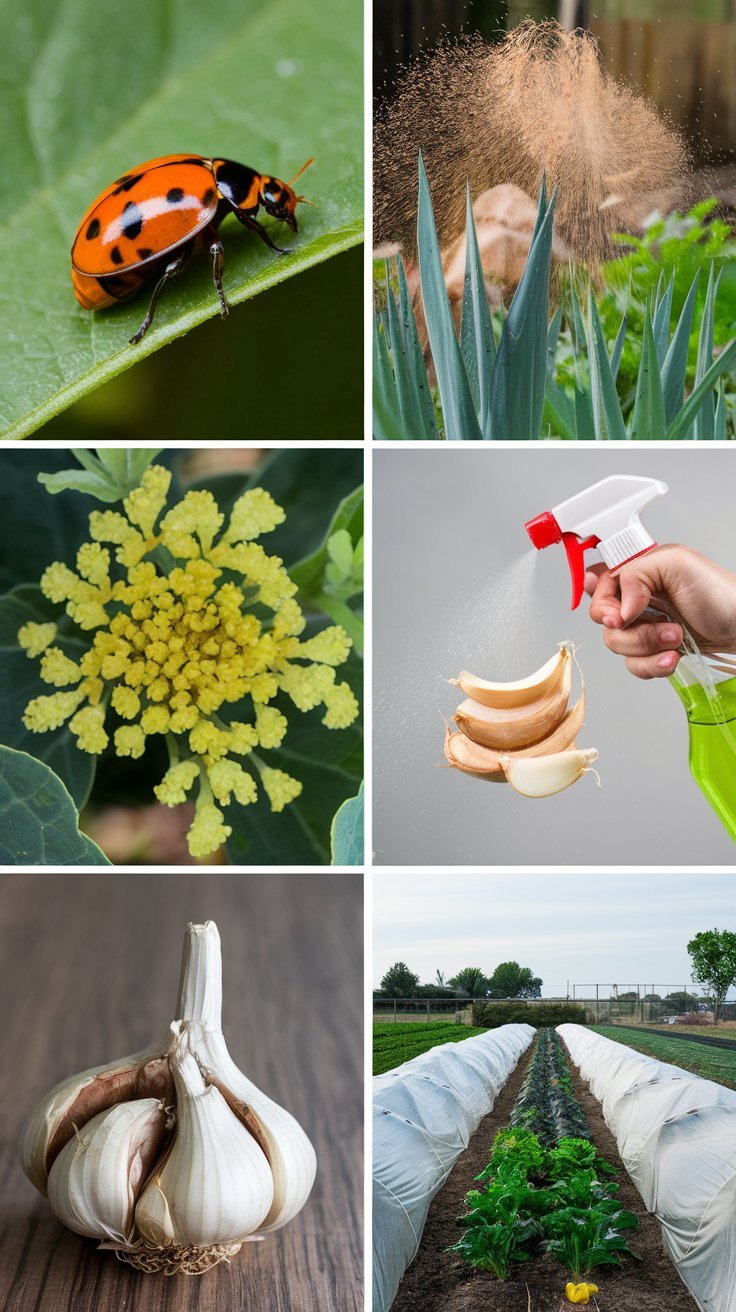
15 Effective Organic Pest Control Methods for a Healthy Garden 🌿
I was kneeling in the narrow strip between our fence and the neighbor’s driveway last Tuesday morning, watching something I almost missed: a single Japanese beetle, iridescent and small, perched on the edge of a crepe myrtle leaf. It was early June, the air already thick with Houston heat, and I had maybe three seconds before that beetle would become two, then ten, then the kind of infestation that sends you spiraling into chemical aisles at the garden center at eight in the morning.
I didn’t spray it. Instead, I watched.
I placed my hand nearby to see if it would move, and it did—just one leaf over. Then I noticed something that shifted the whole morning: one beetle usually means one thing. It means others are coming, but it also means I’m still in the window where I can set a boundary. That’s what this season of organic pest deterrence has taught me. It’s not really about the bugs at all. It’s about what we choose to protect, when we choose to protect it, and whether we’re willing to act early, gently, and with intention.
This is what I want to talk about today—not just how to keep pests at bay in Zone 9, though we’ll get there, but why the early, intuitive response to pest pressure is so much like tending to our own spiritual lives. Gardens teach us about boundaries. And boundaries, I’ve learned across four moves in three years, are an act of deep stewardship.
Free eBook
Rooted in Grace
A Christian guide to intuitive gardening — the whole book, free. Tell me where to send it and it’s yours in a minute.
The First Pest Shows Up—and So Does the Choice 🐝
In Houston’s subtropical climate, pests don’t follow a neat schedule. Japanese beetles arrive in early June and stay through July. Spider mites explode in the heat of August. Whiteflies show up on the fringes of autumn. Aphids can appear almost any warm day. What strikes me most is that they don’t come all at once. There’s always a first one. There’s always a moment when you could respond—really respond—before the pressure becomes overwhelming.
I think of it like this: intuitive gardening isn’t about reacting frantically when crisis hits. It’s about being attentive enough to notice the first beetle, the first cluster of aphids, the first yellowing leaf that signals something’s off. That attentiveness is a gift, not a burden. It means you get to set the boundary before you have to fight a war.
When I see that first pest, I’ve learned to pause. I walk the garden slowly, not just that one plant. I check the undersides of leaves—where aphids love to hide. I look at the soil moisture, the air circulation, the proximity of stressed plants. I ask myself: Is this plant already struggling? Is it in the wrong microclimate for this zone? Is there a structural reason pests found it attractive? These questions help me respond not just to the pest itself, but to the conditions that invited it in the first place.
This is the attentive stewardship part of intuitive gardening. It looks like noticing before acting. It sounds simple, but in our hurried world, it’s revolutionary.
Sanda’s Zone 9 Note: In Houston’s climate, early observation is your greatest tool. Our pests thrive in heat and humidity, but they follow patterns. Spend five minutes each morning in your garden from late spring through fall, specifically looking at new growth and leaf undersides. That single moment of attentiveness can save you weeks of battling infestations.
Organic Pest Deterrents That Work in Zone 9’s Heat 💧
Here in the suburbs of Houston, organic pest management is less about preventing pests entirely—they will come—and more about managing them before they cross from “presence” to “infestation.” I’ve learned which deterrents actually work in 95-degree humidity, and which ones are just wishful thinking.
1. Neem Oil: The Faithful Companion
Neem oil has been my stalwart companion for three growing seasons. Applied in early morning or late evening when temperatures drop below 85 degrees, it disrupts the life cycle of soft-bodied insects like aphids, spider mites, whiteflies, and scale. In Houston’s heat, timing is everything—spray too late in the morning and the heat will burn your foliage. Spray in the cool of dusk, and you give the oil hours to work before the sun returns.
The key here is consistency. One application won’t solve a problem; you’re looking at spraying every 7-10 days during active pest season, rotating it with other methods so pests don’t build resistance.
2. Insecticidal Soap for Soft-Bodied Insects
For aphids and mites, insecticidal soap (which you can make yourself with a few drops of pure castile soap and water, or buy pre-made) works by breaking down the outer coating of delicate pests. It’s effective, it’s gentle on beneficial insects when applied directly to pests, and it degrades quickly in sunlight—so no long-term residue in your soil.
3. Row Covers and Physical Barriers
Early in the season, before the heat becomes unbearable, lightweight row covers protect tender seedlings and young transplants from beetles, moths, and flying insects. I use them on newly planted tomatoes and squash through May, removing them once plants flower and need pollinator access.
4. Hand-Picking: The Ancient Art
Sometimes the most effective tool is your own hand. Japanese beetles, hornworms, and larger caterpillars can be hand-picked—early morning is best, when they’re less mobile. Drop them into a jar of soapy water. Yes, it takes time. Yes, it feels like you’re fighting one bug at a time. But it works, and it keeps you connected to what’s actually happening in your garden.
5. Encouraging Beneficial Insects
Ladybugs, lacewings, parasitic wasps, and hoverflies are nature’s pest control army. They thrive when you provide pollen and nectar sources. Plant alyssum, zinnias, yarrow, and cilantro—flowers that bloom alongside your vegetables. These beneficials will do the work you don’t have to do.
6. Companion Planting Strategies
Marigolds planted near tomatoes and squash have long been thought to deter pests, though the mechanism is more about attracting beneficial insects than repelling pests. I plant basil near tomatoes both for the kitchen and for its aromatic properties. Nasturtiums act as a trap crop—pests prefer them to your vegetables, so you sacrifice a few to save many.
⚠️ Watch Out: In Houston’s humidity, companion plants can also trap moisture and create disease pressure. Space plants for air circulation, and monitor closely. Sometimes the cure is worse than the pest.
7. Diatomaceous Earth (Food-Grade Only)
Food-grade diatomaceous earth is a powder made from fossilized algae. It works by dehydrating soft-bodied insects on contact. It’s effective for crawling pests like beetles and caterpillars, but it loses effectiveness in our humid climate and needs reapplication after rain. Use it sparingly and only on target plants—it can affect beneficial insects too.
8. Spinosad: Organic and Effective
Spinosad is derived from a soil bacterium and is approved for organic gardens. It’s particularly effective against caterpillars, leaf miners, and beetles. In Zone 9, I use it in early season before the heat peaks, as it’s less stable in extreme temperatures. Always spray in evening and avoid blooms where pollinators feed.
9. Garlic and Pepper Sprays
Homemade garlic or hot pepper spray can deter some pests—the strong smell confuses or repels them. Blend fresh garlic or hot peppers with water, strain, add a bit of dish soap, and spray on foliage. It’s inexpensive and repeatable, though effectiveness varies. In my experience, it works best as a preventive rather than a cure.
10. Neem Soil Drench for Root Pests
When pests are underground—like root aphids or beneficial-eating nematodes—a soil drench with diluted neem oil can help. Apply directly to the soil around the base of affected plants. This is less commonly needed in Houston gardens but valuable if you notice sudden wilting despite adequate water.
11. Reflective Mulches and Row Covers
Aluminum foil mulch or reflective plastic can confuse flying insects, particularly aphids and whiteflies. It’s most effective on young plants early in the season. As plants grow, remove the mulch to avoid overheating roots in our intense sun.
12. Sulfur Dust for Mites and Fungi
Sulfur is one of the oldest organic pesticides and works well for spider mites and powdery mildew in our dry spells. However, don’t apply when temperatures exceed 85 degrees—it can burn foliage. Early morning application in spring or fall is ideal.
13. Kaolin Clay (Surround Spray)
This fine white clay coating confuses insects and prevents egg-laying on fruit and foliage. It’s particularly useful for protecting young apple and peach trees from beetles in early season. Reapply after rain.
14. Pruning and Sanitation
Remove dead wood, fallen fruit, and dense growth where pests hide and disease takes hold. In Houston’s humidity, good air circulation is as important as any spray. Prune suckers from tree bases, thin crossing branches, and remove lower foliage on tomatoes to prevent soil splash and mildew.
15. Soil Health and Plant Resilience
This is the foundation everything else stands on. A plant growing in healthy, well-draining soil with adequate nutrients and water is far more resistant to pest pressure than a stressed plant. Build your soil with compost each season. Water deeply but less frequently to encourage deep root systems. Feed with balanced nutrients. Strong plants are the best defense.
A Quick Reference Chart for Zone 9 Houston Gardeners 📊
| Pest | Peak Season (Houston) | Best Organic Control | Application Notes |
|---|---|---|---|
| Japanese Beetles | June–July | Hand-pick or neem oil | Early morning; below 85°F |
| Aphids | April–June, Sept–Nov | Insecticidal soap or neem | Check leaf undersides; repeat weekly |
| Spider Mites | July–September | Sulfur dust or strong water spray | in June, when Japanese beetles arrive, Houston’s evening temperatures barely dip below 80 degrees. This means your spray window is roughly 5:30 to 7:30 PM, and only on nights when humidity isn’t so thick that moisture beads on foliage. Miss that window, and you’re not managing pests; you’re just creating expensive runoff.
What I’ve learned is to work with the climate rather than against it. Spring, from late February through April, is actually your golden season for organic sprays—temperatures are moderate, humidity is manageable, and pests haven’t yet built population density. If you’re going to use insecticidal soap or neem oil preventively, early spring is the time. By the time summer heat arrives, shift your strategy. Hand-picking becomes more practical than spraying. Encouraging beneficial insects—which thrive in heat—becomes your primary tool. In fall, as temperatures cool again in late September and October, you get another window for oil-based applications before frost ends the season. The real wisdom is in paying attention to the thermometer and humidity readings, not just the calendar. I keep a small notebook by my garden bench now—nothing fancy, just dates and conditions. It’s taught me that organic pest control in Zone 9 is as much about meteorology as entomology. The Hidden Cost: When Organic Methods Fail (And How to Pivot)I want to tell you something that feels almost heretical in a piece about organic methods: sometimes they don’t work. Not because they’re inferior, but because the conditions—our Houston conditions—are simply too extreme or the infestation has moved beyond the point where gentle methods can help. Last August, I watched spider mites devastate a prized butterfly bush despite weekly neem applications and water sprays. The heat was relentless—temperatures hadn’t dropped below 88 degrees in three weeks. The humidity made every spray bead and run off before it dried. By the time the temperatures moderated enough for treatment to be effective, the plant was beyond recovery. I removed it, composted it, and replanted the space with a more heat-tolerant variety. This taught me something gentler than I expected: stewardship sometimes means knowing when to let something go. Not every plant is meant for every spot. Some pests, in some seasons, will win. That’s not failure—that’s attentiveness to what your garden is actually telling you. Organic methods are powerful precisely because they work with natural systems rather than dominating them. But natural systems include seasons when pests dominate plants. In those moments, the most organic decision might be to sacrifice one plant rather than escalate treatments, adjust your variety selection, or move that struggling plant to a location with better conditions next season. This is where intuitive gardening becomes spiritual practice: recognizing limits, honoring what works, and trusting that letting go makes room for what wants to grow. Building Your Organic Toolkit Without OverwhelmSanda’s Garden Wisdom: You don’t need all 15 methods. Start with three: insecticidal soap for soft-bodied insects (your workhorse for aphids and mites), neem oil for early-season applications when temperatures allow, and one physical method—either hand-picking or row covers depending on your Ready to Go Deeper in the Garden?If this article resonated with you, you might be ready for something more than tips.
“The garden is not just a place to grow plants – it is a place to grow yourself.” Free eBook Before you go — the book is yours Rooted in Grace: A Christian Guide to Intuitive Gardening. No cost, no catch. Read it on any device, at whatever pace the season allows. |