How to Decorate a Living Christmas Tree You Can Plant After the Holidays
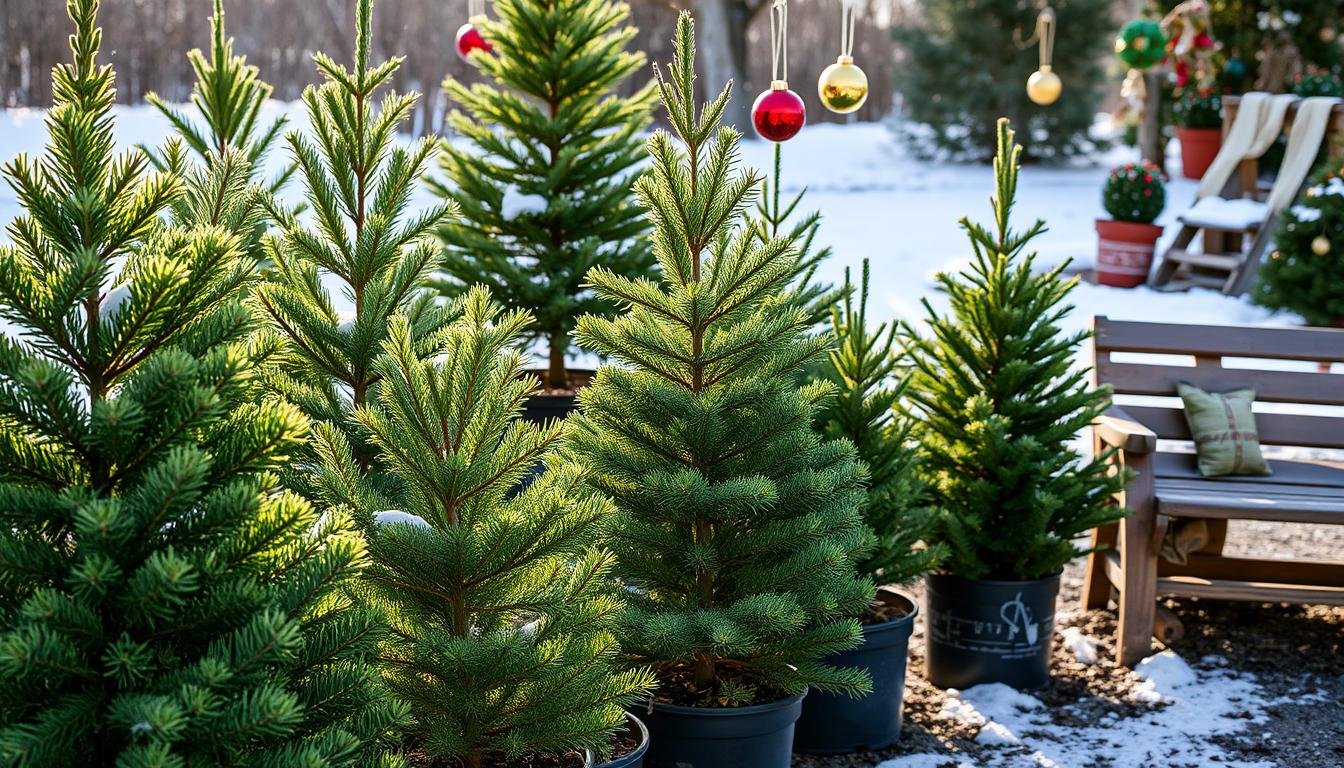
Growing Your Christmas Tradition: A Living Tree You’ll Plant Come Spring 🌲
There’s something sacred about traditions that bear fruit—literally. Every December, I think about those 25 to 30 million real Christmas trees cut down across America, and how so many end up in landfills rather than fulfilling their purpose. But what if your Christmas tree didn’t have to say goodbye in January? What if it could become a living legacy in your Houston-area garden, growing stronger each year as a reminder of the holidays?
A living Christmas tree—one you’ll decorate, cherish through the season, and then plant outside—is a beautiful way to marry festive celebration with faithful stewardship. It’s observing the tradition with intention, reflecting on what we’re called to care for, and responding by making a choice that honors both our homes and our earth. This is the gift that keeps on giving, literally taking root in your soil.
Free eBook
Rooted in Grace
A Christian guide to intuitive gardening — the whole book, free. Tell me where to send it and it’s yours in a minute.
Why a Living Christmas Tree Matters (Especially Here in Zone 9) 🌍
Let me be honest with you: the environmental case for a living Christmas tree is compelling, but the personal one is even better. When you choose a tree you’ll plant after the holidays, you’re not just decorating—you’re planting hope. You’re teaching your family that beauty can last. You’re creating a touchstone in your yard that brings back memories of carols and candlelight every time you walk past it.
On the practical side, real Christmas trees from sustainable farms already do important work. Farmers replant one to three trees for every one harvested, and those young trees actively pull CO₂ from the atmosphere. One acre of Christmas trees produces half a ton of new biomass annually—that’s real carbon sequestration happening right in front of us. When you plant your living tree in Houston’s rich soil, you extend that impact for decades.
Sanda’s Zone 9 Note: Unlike folks in cooler climates, we in the Houston area need to think carefully about tree selection. Our hot, humid Zone 9 climate means that traditional Christmas tree species (like Fraser fir) can actually struggle when planted permanently in our gardens. The trick is choosing trees that *want* to live here—and I’ll show you exactly which ones thrive in our Texas heat.
Choosing the Right Living Tree for Your Houston Garden 🤔
Understanding Your Options
When you walk into a tree farm or garden center in November, you’ll see rows of beautiful evergreens. But not all of them are created equal when it comes to living a long, happy life in Southeast Texas. This is where observation comes in—the first step of faithful gardening.
Look for trees grown in or suited to warmer climates. While Fraser fir and Douglas fir are gorgeous and smell divine, they’re cold-weather lovers that can suffer in our humid Houston summers. The stress shows up as needle drop, browning, and vulnerability to pests. Instead, pay attention to these champions that will genuinely thrive when you plant them:
| Tree Species | Zone 9 Suitability | Mature Height | Key Characteristics |
| Leyland Cypress | ⭐⭐⭐⭐⭐ Excellent | 30-40 ft | Fast-growing, feathery foliage, heat-tolerant |
| Virginia Pine | ⭐⭐⭐⭐ Very Good | 35-50 ft | Native to region, resilient, fragrant |
| Arizona Cypress | ⭐⭐⭐⭐ Very Good | 40-50 ft | Drought-tolerant, blue-gray foliage, stunning |
| Deodar Cedar | ⭐⭐⭐ Good | 40-60 ft | Heat-tolerant, graceful drooping branches |
| East Texas Native: Bald Cypress | ⭐⭐⭐⭐⭐ Outstanding | 50-70 ft | Deciduous conifer, fall color, swamp-tolerant |
What to Look for in a Healthy Living Tree
When you’re ready to select your tree, practice the art of observation. Walk around it. Look underneath the branches. Run your fingers gently over the needles—they should be vibrant green (or blue-gray, depending on species) and flexible, not brittle or dull. A tree that’s been well-cared-for at the nursery will have needles that spring back when you release them.
The root ball is absolutely critical. Ask the nursery staff to show you the base. You want to see a solid, intact root system wrapped in burlap or in a sturdy container. Avoid trees with roots circling the pot or root ball that looks dried out or crumbly. A healthy root ball is your tree’s promise for survival outdoors. Look for trees no taller than five to six feet for your first living Christmas tree—smaller root systems have an easier time establishing after the stress of indoor living.
Sanda’s Garden Wisdom: Never buy a living Christmas tree that’s already been decorated at the nursery or sitting indoors for weeks. Those trees have already endured stress. Ask when the tree was brought indoors, and choose one that arrived recently. Your living tree’s survival depends on minimizing its time in artificial conditions before you plant it.
Decorating Your Living Tree With Care 🎄
Now comes the joy—making your living tree festive while keeping it healthy. This is where reflection guides us. Your tree is a living thing, not just a decoration stand, so we respond with gentleness and intention.
Choosing Tree-Friendly Decorations
Use lightweight ornaments rather than heavy glass or metal ones. Living branches are more delicate than cut-tree branches, and they’re still actively working to stay alive indoors. Heavier decorations stress the limbs and can cause breakage that won’t heal once the tree is planted outside.
Opt for natural decorations when you can: wooden ornaments, felt garland, dried citrus slices, cinnamon sticks, and fresh greenery. Not only are these beautiful and aromatic, but if anything falls into the soil when you plant your tree, it’s biodegradable and actually beneficial. Skip the artificial snow spray, which can clog pores on the needles and make it harder for your tree to breathe and absorb moisture.
Use warm LED string lights rather than heat-generating incandescent bulbs. The warmth from traditional lights stresses a living tree that’s trying to maintain dormancy. LEDs run cool and won’t dry out your tree’s needles.
Moisture and Environment During Display
Here’s the most important part: keep your living tree indoors for no more than 7 to 10 days. I know—it seems short! But remember, your tree has been acclimated to outdoor temperatures at the nursery. Each day indoors in heated air is stressful. After 10 days maximum, that tree needs to go back outside to a sheltered spot.
While your tree is indoors, water it every two to three days. Stick your finger into the soil; if the top inch feels dry, water thoroughly until water drains from the bottom. The root ball should stay consistently moist but never waterlogged. A living tree’s roots are still actively growing, even in dormancy, and they need moisture.
Keep your tree away from heating vents, fireplaces, and direct heat sources. Position it near a cool window if possible. The ideal indoor temperature for a living Christmas tree is 60-65°F—cooler than most of our Houston homes prefer! If your living room runs warm, your tree will stay happier in an unheated sunroom, garage, or covered porch. Yes, you can still decorate it there and enjoy it.
Sanda’s Tip: Set a phone reminder for day 10. Seriously. It’s easy to get caught up in the holiday magic and forget that your tree has a planting date. When that reminder pings, it’s time to transition your tree outdoors to a sheltered spot (under an eave, against a north-facing wall) before you plant it in its permanent home in early January.
Preparing to Plant: From Holiday Guest to Garden Resident 🌱
Hardening Off Your Living Tree
After those 10 days indoors, your tree needs what gardeners call “hardening off”—a gradual transition back to outdoor conditions. Don’t go from your warm living room directly into the ground. Instead, move it to a sheltered outdoor spot for 7-10 days. A location against the north side of your house, under a covered porch, or in a windbreak works beautifully. This is where your tree readjusts to outdoor light, temperature, and humidity before you ask it to establish in permanent soil.
Choosing the Right Planting Location
In our Zone 9 Houston area, most living Christmas trees will appreciate afternoon shade, especially in summer. That hot, brutal 3 PM sun that beats down on our Texas afternoons can stress even heat-tolerant species. Plant on the east or north side of your home, or in a spot that gets morning sun and afternoon dappled shade.
Consider your tree’s mature height. A Leyland cypress can reach 40 feet. That’s a commitment! Make sure you’re planting it where it won’t eventually shade out the rest of your garden or grow into power lines. Think long-term here—this tree will be a living monument to this Christmas for decades.
Soil Preparation in Houston’s Clay
Here’s where Houston gardeners need to be especially thoughtful. Our native clay soil is dense and drains poorly. Before you plant your tree, you’ll want to amend the planting hole generously. Dig a hole about twice the width of your tree’s root ball and just as deep. Mix the removed clay soil with 40-50% aged compost or composted bark. This creates a transition zone where your tree’s roots can establish more easily.
Backfill the hole with this amended mix, settling it gently around the root ball. You want good soil-to-root contact with no air pockets, but resist the urge to stomp it down. Compacted clay is exactly the problem you are trying to solve. Water it in deeply once, wait, and let the soil settle on its own over the next few days.
Understanding Indoor Stress: Why Timing Matters for Your Tree’s Survival
When you bring a living Christmas tree into your warm Houston home, you’re asking it to do something completely unnatural. That tree has been acclimated outdoors, anticipating winter dormancy. Suddenly, it’s bathed in artificial light, heated air, and fluctuating temperatures—essentially a shock to its system. The longer it stays indoors, the more energy it depletes trying to adjust, and the harder it is for those roots to establish once you plant it.
This is why those cheerful “Keep your tree indoors for 30 days!” suggestions you’ll see online don’t apply to our climate. In Houston’s humid, warm conditions, we’re working against the clock differently. Our trees aren’t just struggling with indoor stress; they’re also fighting the biological confusion of being inside during what should be their rest period. After just seven to ten days indoors, your tree’s reserves are already taxed. The needles begin losing moisture faster than the roots can replace it, even with careful watering. This stress compounds when you eventually plant it—a weakened tree takes longer to establish, uses more water its first season, and becomes vulnerable to our summer heat and humidity.
Think of it this way: decorating your living tree is a beautiful celebration, but the tree itself isn’t celebrating. It’s surviving. Honoring that reality means keeping the indoor display brief, even if it means celebrating in a cooler sunroom or garage rather than your main living space. Your tree will thank you with stronger growth once it’s in the ground.
Creating a Decorating Strategy That Protects Living Branches
Living branches are more flexible and delicate than cut-tree wood, but they’re also more vulnerable to damage that won’t heal. When you decorate a tree you’ll plant, every scratch, every broken twig, every stressed limb becomes a permanent mark on your living legacy. That’s not meant to create anxiety—just awareness that guides your choices.
Start by stepping back and looking at your tree’s natural structure. Where are the strongest branches? Those are your anchors for heavier elements like garland or larger ornaments. The delicate outer growth, especially new shoots, should stay clear. Avoid wrapping anything tightly around branches; use loose garland loops that you can easily remove without bending or crimping limbs.
When hanging ornaments, use soft twine or fabric ribbons rather than metal hooks or wire. Metal conducts temperature changes and can actually damage bark and tender growth. Distribute ornaments evenly around the tree rather than clustering them on one side, which creates unbalanced weight stress. And here’s something many people miss: check your decorations the day after you hang them. Ornaments shift as branches adjust to the weight. You might notice a limb being pulled at an awkward angle—gently reposition before it causes stress fracture.
Consider ornaments with personal meaning rather than maximum visual impact. A handmade wooden ornament from your child’s school, a painted ceramic piece, a simple paper snowflake—these tell your family’s story without risking damage to your tree’s future. When you plant that tree in January and walk past it for years to come, those meaningful ornaments will matter far more than how elaborate the display looked in December.
The Watering Dance: Soil Moisture During Holiday Display
Keeping a living Christmas tree indoors creates a moisture paradox. The heated air dries out faster than you’d expect, pulling moisture from needles constantly. Meanwhile, the root ball sits in a container where water can’t drain freely, risking root rot if you overcompensate. It’s a narrow window, and getting it right is crucial to your tree’s survival outdoors.
Check your tree’s soil every other day, not just when you remember. Stick your finger two inches into the soil—if it feels dry at that depth, water thoroughly. “Thoroughly” means watering until water runs freely from drainage holes, ensuring the entire root ball is moistened. Then let it drain completely before placing it back on its saucer or protective mat. Never let your tree sit in standing water; that’s a fast track to root rot.
The humidity level in your home also matters. If you’re running your heating system hard during our occasional cold snaps, the air becomes very dry. Your tree will actually benefit from a light misting on its needles every few days—not a heavy spray, just enough to mimic morning dew. This helps replace moisture the needles are losing to the dry air.
Here’s a practical Houston note: if an unexpected warm spell hits (and they do, even in December), and your tree is near a window where outside temps might fluctuate dramatically, move it away. Those sudden temperature swings between heated indoor air and cold outdoor air drafts can trigger stress in the root system. Consistency, even if it’s not perfect, is better than dramatic shifts.
🛒 Shop This Post
What I would actually buy for a tree that has to survive the holidays indoors and then live in the yard for the next forty years.
- Warm White LED String Lights They run cool, which is the whole point when the tree is still alive.
- Unfinished Wooden Ornaments Light enough for living branches, and paintable if you want the kids involved.
- Tenn Well Natural Jute Twine Ties an ornament on without the bark damage a metal hook leaves behind.
- R&M Organics Premium Compost Half your backfill mix when you plant into Houston clay in January.
- Continuous Mist Spray Bottle A fine mist on the needles every few days replaces what dry indoor air takes.
- HC Companies Plant Saucers Catches the drainage so the root ball never sits in standing water.
These are Amazon affiliate links. If you buy through them I earn a small commission at no extra cost to you — and I only link gear I would use on a tree I intended to keep.
Ready to Go Deeper in the Garden?
If this article resonated with you, you might be ready for something more than tips.
- Download the FREE Rooted in Grace eBook
- Get the Rooted in Grace Print Book on Amazon
- Join Rooted Reset
- Follow on Instagram – @southernsoils
- Save on Pinterest – @southernsoilsunshine
- Join on Facebook – Southern Soil Sunshine
“The garden is not just a place to grow plants – it is a place to grow yourself.”
Free eBook
Before you go — the book is yours
Rooted in Grace: A Christian Guide to Intuitive Gardening. No cost, no catch. Read it on any device, at whatever pace the season allows.