How to Adorn Your Christmas Tree with Organic and Biodegradable Ornaments
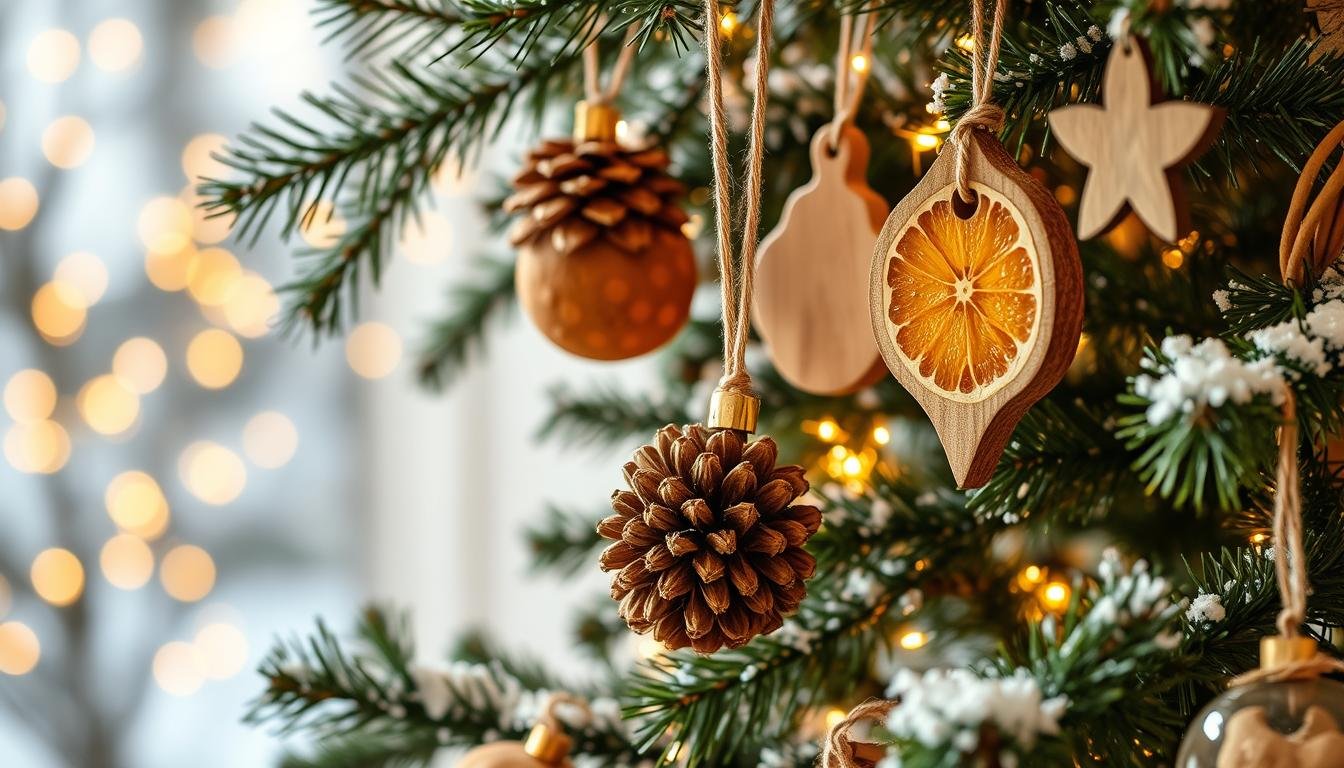
Adorning Your Christmas Tree with Organic and Biodegradable Ornaments 🌿
Friends, the season of warmth and joy is finally here, and I can feel it in the crisp Houston air—even if our “crisp” is more 60 degrees than snow-covered. This year, I’m inviting you to decorate your Christmas tree with intention, choosing organic and biodegradable ornaments that tell stories of care, craftsmanship, and stewardship. As gardeners, we know the magic of working with nature rather than against it. That same philosophy transforms our holiday celebrations into something truly special.
Let me share what I’ve learned about creating a Christmas tree that honors both tradition and our beautiful Texas earth. Whether you’re hanging ornaments you’ve made with your own hands or selecting pieces from artisans who understand sustainable practices, each choice becomes part of your family’s story.
Free eBook
Rooted in Grace
A Christian guide to intuitive gardening — the whole book, free. Tell me where to send it and it’s yours in a minute.
The Joy of Natural Ornaments in Our Zone 9 Gardens 🎄
I think about my kitchen right now—the same space where I dry herbs from my summer garden. That same oven, those same hands, can create Christmas magic. Imagine the scent of orange slices drying at 200 degrees for three to four hours, filling your home with citrus and pine memories. Or picture dough baubles made from simple flour, water, and natural vanilla or cinnamon, baked at 250°F for one to two hours until they’re golden and ready to hang.
These aren’t just decorations. They’re edible memories, literally made from ingredients you might already have in your pantry. In our Houston gardens, we grow or have grown lemon balm, rosemary, and bay leaves—all of which can be pressed into salt dough ornaments or dried and tied into fragrant bundles for your tree.
Sanda’s Tip: When making dried citrus ornaments, use thin slices of lemons, limes, or oranges from the grocery store (organic, if possible). Slice them about ¼-inch thick, remove seeds, and arrange on a parchment-lined baking sheet. Dry at 200°F for 3–4 hours, checking halfway through. They’ll last for years if stored in a cool, dry place. Your kitchen will smell like pure joy! 🍊
Understanding Organic Ornament Materials
Wool Ornaments: Warmth Meets Sustainability
One hundred percent wool ornaments have become my favorite discovery. These felted beauties—many handmade by artisans in Nepal, India, and other parts of the world—offer a tactile warmth that plastic never could. Unlike synthetic ornaments, wool is completely biodegradable. When the day comes decades from now that an ornament breaks, it returns to the earth. That’s the kind of legacy I want for my home and my children’s children.
Wool ornaments hold color beautifully without dyes that harm waterways. They’re durable enough to pass down through generations, and they support fair-trade artisans and small family businesses. In our Zone 9 climate, they actually hold up well to humidity—unlike some delicate paper ornaments that can warp in our typically damp Houston homes.
Wood Ornaments: Rustic Beauty from Around the World
Jacaranda wood ornaments from Rwanda, olive wood pieces from Morocco, and sustainable pine carvings—these bring the forest right into our homes. When you hold a hand-carved wooden ornament, you’re holding the skill and story of someone’s hands and heart. That matters to me.
Wood ornaments work beautifully in a Zone 9 home because they’re naturally moisture-resistant and don’t require the careful climate control that some delicate materials need. A carved wooden bird, a simple wooden bead ornament, or a piece of driftwood collected from our Texas coast—these feel authentic and grounded.
Edible and Natural Elements
Let’s talk about what you can actually make or gather. Dried flowers from your summer garden—zinnias, celosia, even dried chili peppers—create stunning ornaments when hung with twine or ribbon. Nuts in their shells, dried apple slices, cinnamon sticks bundled together, and whole star anise look like they grew on your tree naturally.
Sanda’s Zone 9 Note: Be mindful of our Houston humidity when creating edible ornaments. If you’re using real citrus slices, dried flowers, or nuts, store them in a cool, dry place during our fall and winter months. Don’t hang them on the tree until a few days before your family’s celebration, and monitor them throughout the season. If you notice any softness or mold—humidity can sneak up on us—remove them gently and compost them.
The Intuitive Gardener’s Approach to Ornament Selection
As I’ve grown as a gardener, I’ve learned to approach every decision—from which tomato to plant to which ornament to hang—with intention. I call it observe, reflect, respond faithfully. Let me walk you through how this works for your Christmas tree.
Observe: What Story Speaks to You?
Before you buy or make a single ornament, spend time noticing. What materials have brought you joy this year? Did you appreciate the dried herbs hanging in your kitchen? Did you smile at the texture of pressed flowers? Did your children delight in making things with their hands? These observations guide your choices.
Reflect: What Matters in Your Home?
I reflect on my values. I want my home to reflect care for the earth. I want my children to see that beauty doesn’t require plastic or synthetic materials. I want to support artisans who work with integrity. When you reflect on your values, your ornament choices become easier and more meaningful.
Respond Faithfully: Choose and Create
Once you’ve observed and reflected, respond with action. Buy that fair-trade wool ornament. Make those salt dough stars with your family. String together dried flowers from your summer garden. Each choice is a small act of faithfulness to what you’ve discovered matters.
Making DIY Christmas Ornaments with Family 👨👩👧👦
Some of my favorite holiday memories aren’t of finished decorations—they’re of flour-dusted countertops, children’s laughter, and the smell of baking dough. Creating ornaments together is where the real magic happens.
Simple Salt Dough Ornaments
This recipe has fed creativity in my kitchen for years. Mix two cups of flour, one cup of salt, and three-quarters cup of water. Knead until smooth. Let your family cut shapes with cookie cutters, make fingerprint impressions, or roll into beads. Brush with egg wash if you want shine, then bake at 250°F for one to two hours, depending on thickness. Once cool, paint with natural dyes—beet juice for pink, turmeric for golden yellow, or leave them plain and beautiful.
Pressed Flower Ornaments
Collect flowers from your summer and fall gardens. Roses, zinnias, baby’s breath, even small leaves work beautifully. Press them between newspaper for a few weeks, then layer them inside clear glass or acrylic ornaments with a bit of natural twine. The layers create depth and tell a story of your garden through the seasons.
Herb Bundle Ornaments
Tie together small bundles of dried rosemary, bay leaves, dried lemon balm, and cinnamon sticks with natural raffia or cotton twine. They smell divine and can eventually be composted or used in tea. This one always makes me smile—it’s a gift your tree can literally give.
| Ornament Type | Materials Needed | Time Required | Shelf Life |
| Salt Dough | Flour, salt, water, paint | 30 minutes prep + 1–2 hours baking | Many years if kept dry |
| Dried Citrus Slices | Citrus fruits, twine | 15 minutes prep + 3–4 hours drying | 1 season in humid climates |
| Pressed Flower Ornaments | Fresh flowers, clear ornaments, twine | 10 minutes assembly + 3 weeks pressing | Multiple seasons |
| Herb Bundles | Dried herbs, raffia, twine | 15 minutes | 1–2 seasons |
Supporting Artisans and Fair-Trade Ornaments 🌍
When I choose handmade ornaments from artisans around the world, I’m doing more than decorating my tree. I’m supporting communities, preserving traditional crafts, and ensuring that my money goes to people who deserve it.
Think about the difference: A hand-felted wool ornament from a women’s cooperative in Nepal helps fund education for children. A carved wooden ornament from a family workshop in Rwanda preserves traditional woodworking and provides livelihood for generations. A porcelain ornament hand-painted in a small studio connects you to a person’s artistry.
In our Houston community, I’ve found local artisans creating beautiful sustainable ornaments too. Supporting them feels like supporting neighbors, because we are.
Sanda’s Garden Wisdom: When shopping for artisan ornaments, look for these markers of authenticity: fair trade certification, transparency about where and how items are made, natural materials listed clearly, and pricing that reflects real craftsmanship. If an ornament seems too cheap, it likely wasn’t made with fair wages or sustainable practices. Invest in fewer, meaningful pieces rather than many cheap ones. Your tree will be richer for it. ✨
Caring for Your Biodegradable Ornaments Year After Year
The beauty of choosing organic and biodegradable ornaments is that many will last for years, even decades, if you care for them thoughtfully. Wool ornaments should be stored in breathable bags—never plastic—in a cool, dry place. Wooden ornaments benefit from a light conditioning with food-grade mineral oil every few years to keep them from drying and cracking.
Salt dough and pressed flower ornaments should be kept away from humidity during storage. Our Houston climate can be challenging, so I store my delicate ornaments in a cedar closet or in sealed containers with silica packets during the off-season.
Honoring Impermanence: The Gift of Compostable Decorating
One of the most liberating shifts I’ve made as a gardener has been embracing impermanence. In our Zone 9 gardens, we watch the seasons turn with such clarity—the way summer blooms fade, how fall’s colors drift to earth, the quiet rest of winter. Our ornaments can honor this same natural rhythm, and there’s something deeply peaceful about that.
When you choose biodegradable ornaments, you’re not just making an environmental choice; you’re inviting your home to participate in the cycle of renewal that defines all living things. That dried citrus slice that brought you joy for one season? It can return to your compost pile. The salt dough star your child made? It breaks down gently in soil. Even the wool ornament, after many decades of service, will eventually decompose and nourish the earth again.
This perspective shifts how we relate to our decorations. Instead of asking “Will this last forever?” we ask “How can this bring beauty now, and how can it serve the earth when its season ends?” For those of us gardening in Houston’s humid climate, this is especially practical—we’re not fighting to preserve plastic that won’t break down anyway. We’re working with materials that naturally complete their cycle. There’s freedom in that, and a kind of gratitude that settles into your bones when you really sit with it.
Building a Multi-Generational Ornament Story
Your Christmas tree becomes a living archive when you choose ornaments with intention and longevity. Some pieces will pass down through your family for decades, each one carrying memory and meaning. The hand-felted wool cardinal your grandmother gave you, now worn soft with age and love. The wooden ornament you carved together when your child was seven, now hanging alongside their own children’s creations. The dried flowers pressed inside a clear ornament from a garden that no longer exists—a garden tended by someone you loved.
This multi-generational approach changes how we think about “Christmas decorations.” They’re not disposable. They’re not trendy. They’re heirlooms in the making. In our Zone 9 homes, where we’re often separated from the deep winter traditions of colder climates, creating our own ornament legacy becomes even more meaningful. We’re saying: this matters to us. This family matters. This earth matters.
When you’re choosing ornaments, consider asking yourself which pieces you’d want your children or grandchildren to inherit. A sustainably made wool ornament from a fair-trade artisan? That’s a piece that can carry stories across generations. A salt dough star made together in your kitchen? That’s a memory object. Even if it eventually crumbles, the memory remains. The act of making it together—that’s the real heirloom.
Creating Meaning Through Material Choices in a Throwaway Culture
We live in a world that constantly tells us: buy more, replace it next year, upgrade to the newest version. Walking against that current requires intention, especially during the holiday season when marketing feels relentless. But when you choose organic and biodegradable ornaments, you’re making a countercultural statement about what matters.
Each decision—to buy one beautiful fair-trade ornament instead of ten plastic ones, to make salt dough stars instead of purchasing mass-produced decorations, to value artisanal work over convenience—is a small act of resistance against the narrative that more is better. In our Houston community, where consumer culture runs deep, this choice becomes even more meaningful.
Interestingly, choosing fewer, more intentional ornaments often results in a more beautiful tree. There’s breathing room. Each ornament can be truly seen and appreciated. Your eye isn’t overwhelmed by competing colors and materials. The tree becomes a reflection of your values rather than a reflection of how much you can accumulate. For me, that’s always led to a tree that feels more like home.
The Spiritual Practice of Slow Decorating
There’s a contemplative quality to decorating with intention that I’ve come to treasure. Hanging a single pressed-flower ornament on a bare branch, pausing to notice the colors inside the glass. Tying herb bundles one at a time, breathing in the scent of rosemary and bay. Arranging dried citrus slices you’ve made yourself, each one slightly different because human hands made them. This is not rushed work. This is the opposite of rushing.
In gardening, we call this practice “being present with the work.” It’s the difference between mindlessly planting seeds and truly attending to each seed as it goes into soil. That same presence transforms holiday decorating from a task on your to-do list into a spiritual practice. You’re not just getting a decorated tree; you’re creating space for reflection, gratitude, and connection.
This matters in our Houston lives, where the pace can feel relentless and the holidays often blur together in a haze of shopping and obligations. When you slow down to create or carefully select meaningful orn
Ready to Go Deeper in the Garden?
If this article resonated with you, you might be ready for something more than tips.
- Download the FREE Rooted in Grace eBook
- Get the Rooted in Grace Print Book on Amazon
- Join Rooted Reset
- Follow on Instagram – @southernsoils
- Save on Pinterest – @southernsoilsunshine
- Join on Facebook – Southern Soil Sunshine
“The garden is not just a place to grow plants – it is a place to grow yourself.”
Free eBook
Before you go — the book is yours
Rooted in Grace: A Christian Guide to Intuitive Gardening. No cost, no catch. Read it on any device, at whatever pace the season allows.