How to Attract Pollinators for Your Fall Garden

Creating a Late-Season Haven for Bees, Butterflies & Beneficials 🐝
By the time September rolls around in our Houston gardens, many of us start winding down. The summer heat has finally broken, and there’s this natural urge to pause, to let things rest. But here’s what I’ve learned over years of tending this soil: fall is when pollinators need us most. It’s when the landscape starts looking sparse, when natural nectar sources dry up, and when your garden can become a life-saving refuge for the very creatures that’ll pollinate next spring’s abundance.
Whether you’re growing fall vegetables, extending the beauty just a little longer, or simply wanting to give back to the ecosystem that’s served your garden all year, attracting pollinators in fall ensures stronger harvests, healthier blooms, and a more balanced, beautiful yard heading into winter.
This guide will show you how to make your Zone 9 garden a sanctuary through November and beyond. 🌿
Free eBook
Rooted in Grace
A Christian guide to intuitive gardening — the whole book, free. Tell me where to send it and it’s yours in a minute.
Why Fall Pollinators Matter—And Why They’re Hungry 🦋
Here in the Houston area, September through November is a transitional season. Our pollinators—bees, butterflies, moths, and the tiny native wasps we rarely notice—are facing a real challenge. Summer’s abundant flowers have faded. Trees have slowed their nectar production. And our pollinators need three essential things to survive and thrive as they prepare for winter:
Sanda’s Zone 9 Note: In Southeast Texas, our first hard freeze typically arrives in mid-November to early December. That gives us a solid 10-12 weeks to provide consistent nectar and pollen sources. For monarchs specifically, this window is crucial—they’re migrating through our region, and a well-stocked fall garden can literally fuel their journey south.
Pollinators need late nectar sources for energy as temperatures drop. They need safe places to land and shelter from unpredictable weather. And they need habitat that supports multiple life stages—caterpillars for butterflies, nesting sites for native bees, overwintering shelter for beneficial insects.
In return for what we provide, they pollinate your second-wave squash, cucumbers, and late melons. They boost seed production in fall flowers (and if you let some go to seed, you’re set for self-sowing next year). They strengthen the ecological web heading into winter, supporting birds, other wildlife, and the soil ecosystem itself.
If you plant now, you’re supporting not just this year’s garden—you’re investing in next year’s abundance. There’s something sacred about that, isn’t there? Sowing for a season you may not fully see.
Top Pollinator Plants for Our Fall Garden 🌼
When I choose fall plants for pollinators, I look for three qualities: they thrive in Zone 9, they’re native or well-adapted to our region, and they offer open-form blooms that are easy for various pollinators to access. Here are my go-to choices:
| Plant | Best For | Zone 9 Timeline | Why It Works |
| Goldenrod (Solidago) | Bees, butterflies, native wasps | Sept–Nov | Native Texas plant; bright yellow plumes; misunderstood (doesn’t cause allergies) |
| Mexican Sunflower (Tithonia) | Monarchs, painted ladies | Sept–Oct | Towers 5–6 ft; large orange blooms; monarch magnet |
| Fall Asters | Native bees, butterflies | Oct–Nov | Many varieties hardy in Zone 9; blooms when little else does |
| Zinnias (annual, cut back) | Bees, butterflies | Sept–Oct | Still blooming? Let them! Great landing pads |
| Marigolds | Various pollinators | Sept–Oct | Pollinators love the scent; nematode deterrent for veggies |
| Basil & Borage (in bloom) | Honeybees, native bees | Sept–Oct | Let a few go to flower; tiny blooms are bee favorites |
| Salvia (fall varieties) | Hummingbirds, native bees | Sept–Nov | Many Texas native salvias peak in fall coolness |
I’ll be honest: goldenrod gets a bad reputation in many places, but here in Texas, it’s a beloved native that bees and butterflies flock to. The pollen is heavy and sticky—it doesn’t travel on the wind like ragweed, so it won’t trigger allergies. Plant it intentionally, and watch the show.
Mexican sunflower is one of my favorite tall-season bloomers. It can get leggy, but that’s the point—those orange towers create landing platforms for monarchs migrating through our region in September and early October.
Sanda’s Caution: In Zone 9, frost can arrive suddenly. If you’re planning on annuals like zinnias, marigolds, or Mexican sunflower, you have roughly 6–8 weeks before a hard freeze. Don’t wait too late to plant. Late August through mid-September is ideal for maximum blooming time.
Space-Saving Ideas for Houston Gardens 🪴
Not everyone has acres to work with—and in our Houston suburbs, space is precious. The good news? You don’t need much room to create a pollinator-friendly fall garden. Some of my favorite approaches:
Container gardening is your friend. A large milk crate or fabric pot filled with good soil can support asters or salvia. Hanging baskets with trailing lantana (which blooms prolifically in fall) create vertical interest and attract butterflies without taking up ground space. Grow bags work beautifully for calendula or cosmos. Even a simple window box with thyme or oregano in bloom becomes a tiny nectar station.
I’ve seen gardeners create entire pollinator zones in 4×8 ft raised beds. The key is mixing heights—tall tithonia in the back, mid-level asters and goldenrod in the middle, and low-growing calendula or sweet alyssum in front. This way, pollinators of all sizes can navigate and feed easily.
Beyond Flowers: Creating Pollinator Habitat 🌾
Here’s something I’ve learned through observation and reflection: pollinators don’t just need nectar and pollen. They need places to drink, rest, nest, and shelter. When I think about my garden holistically, I’m thinking about the entire ecosystem.
Puddling stations are essential, especially in fall when humidity drops and temperatures fluctuate. Butterflies and bees need minerals and moisture. A shallow ceramic dish filled with sand, pebbles, and water—refreshed every few days—becomes a gathering spot. I’ve watched monarchs and swallowtails congregate around mine on cool September mornings.
Small piles of wood, stone, or bark mulch provide nesting sites for native bees, which are solitary and don’t require a hive. These bees will lay eggs in small cavities and crevices. If you have an undisturbed corner—even in a container or planter—you’re offering them habitat.
Uncut grass corners or “wild zones” are invaluable. Many native bees and beneficial insects overwinter in dried plant stems and leaf litter. If you can let one corner of your garden go a bit untidy through fall and into winter, you’re creating shelter for the insects that’ll emerge next spring.
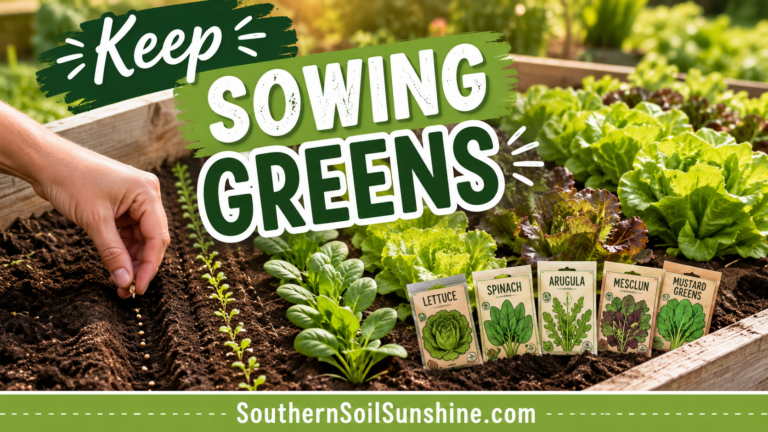
Cover crops are another option. Crimson clover and other legume cover crops will flower in fall, providing late-season nectar while also fixing nitrogen in your soil. It’s a win-win: beauty, pollinator food, and soil health all at once.
Sanda’s Tip: In our Houston area, consider planting a small patch of crimson clover or hairy vetch in late August through September. These cool-season legumes will germinate quickly, flower in October and November, and provide critical late-season nectar. Plus, when you till them in next spring, they’ll boost nitrogen for your warm-season garden.
Water: The Overlooked Essential 💧
Here’s something people often forget: in fall, many areas dry out. Our Houston soil can get hard and crusty, and even with occasional rain, the consistent moisture of summer fades. Pollinators need water just like we do.
A shallow dish with pebbles and fresh water, placed near flowering plants, becomes a drinking station. The pebbles prevent insects from drowning—they’re stepping stones. I refresh mine every morning and evening during dry spells.
A dripping hose in the flower bed creates moisture and small puddles—perfect for butterflies. Even wet sand in a shaded spot can serve as a mineral-rich watering hole.
Think of this as part of your care practice: observe your garden’s moisture levels, reflect on where pollinators might struggle to find water, and respond by providing small, accessible sources. It’s a small act that has big ripple effects.
What NOT to Do: Protecting Pollinators 🚫
Fall is tempting for “cleanup,” but here’s where we need to be intentional about restraint:
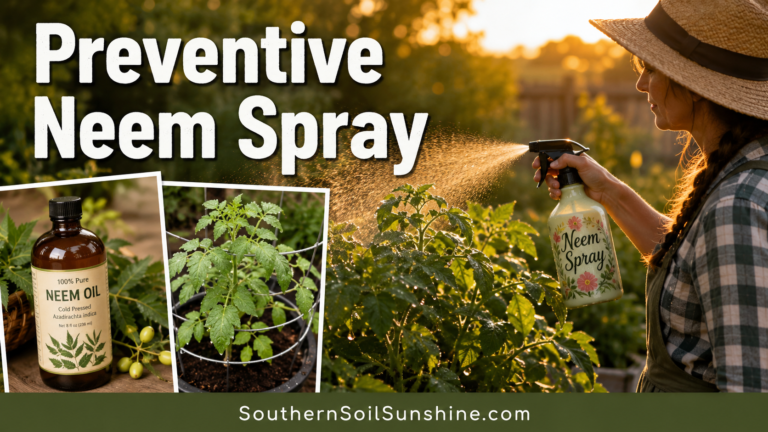
Skip neem oil or horticultural soap applications near blooming flowers. These products, while organic, can harm bees
Why Timing Matters in Our Transition Zone 🌤️
One thing I’ve noticed over years of gardening in Southeast Texas is that our fall is deceptively short when it comes to reliable pollinator activity. Unlike northern zones where fall extends through November and December, we’re compressed. Our heat breaks in late August, but our hard freeze can arrive as early as mid-November—sometimes even late October in unexpected cold snaps. This narrow window changes everything about how we plan.
When I’m choosing what to plant for fall pollinators, I’m not just thinking about what blooms beautifully. I’m thinking about what will establish quickly, bloom prolifically, and sustain pollinators through our specific growing rhythm. A plant that takes eight weeks to mature won’t serve you if you’re planting in September. But something that germinates fast—like sunflowers, cosmos, or borage—can be sown mid to late August and will be blooming heavily by early September when monarchs are migrating through our region.
I’ve also learned to pay attention to our unpredictable September rains. Unlike cooler zones where fall is reliably dry, Houston often gets tropical storms or remnants of hurricanes through September and even October. This means your fall pollinator plants need to be tolerant of both moisture and sudden dry spells. Goldenrod, for instance, handles wet soil better than some salvias. Asters are forgiving of soggy conditions. When you choose plants with this knowledge, you’re setting yourself up for success rather than disappointment.
There’s also a temperature rhythm to consider. Our pollinators are working harder in fall because the energy cost of maintaining body temperature is higher as nights cool. They need denser, more consistent nectar sources. This is why planting in clusters—rather than scattered specimens—makes such a difference in our zone. A dense patch of goldenrod will sustain more pollinators than a single plant. Think abundance over variety in late-season plantings.
Reading Your Garden’s Microclimates for Pollinator Placement 🏡
Not all corners of our Houston yards experience fall the same way. I’ve learned to map the microclimates in my space and use that knowledge intentionally. The south-facing fence line warms up differently than the east side of the house. Raised beds heat and cool faster than in-ground beds. Low spots collect moisture differently than mounded areas. Understanding these variations lets you place pollinator plants where they’ll thrive longest and provide the most consistent food sources.
In our area, I tend to place heat-loving plants—like Mexican sunflower and tithonia—in the sunniest, warmest microclimates, where they’ll continue blooming even as October temperatures drop. Meanwhile, fall asters and salvias, which actually prefer the cooling trend, do wonderfully in east-facing beds that get morning sun but afternoon shade. That shade protection helps them bloom longer as temperatures fluctuate.
The shadier corners of your yard—under the eaves of your house or on the north side—stay cooler longer. This is perfect for establishing late-season sowings of cool-season annuals. In our zone, you can actually direct-sow calendula and sweet alyssum in late August, and they’ll germinate quickly in the heat, then thrive as temperatures cool. Place these in slightly shaded spots where they won’t bolt or struggle in residual summer heat.
Sanda’s Zone 9 Note: Pay attention to water runoff patterns too. If rain or irrigation water naturally collects in certain areas, use those spots for plants that need consistent moisture—like asters and some native bees balm varieties. Dry, well-draining spots work better for goldenrod and salvias.
Succession Planting for Unbroken Bloom 🔄
Here’s a practice that’s changed how I think about fall pollinator support: instead of planting everything at once in August and hoping it all blooms through November, I’m succession planting in waves. This approach mimics nature’s rhythm and ensures there’s always something in bloom—crucial for sustaining pollinators through our compressed fall season.
My first wave goes in mid-August: sunflowers, tithonia, borage, and early-maturing aster varieties. These establish quickly and are blooming heavily by early September when monarchs arrive. By early October, these are beginning to fade. That’s when my second wave kicks in—later aster varieties, salvias, goldenrod, and any remaining zinnias or marigolds. This second planting was either started indoors in July and set out in early September, or direct-sown in late August specifically to peak in October.
If I’m feeling particularly dedicated—and if the forecast suggests a late freeze—I’ll do a third, very light planting of cold-hardy items like calendula or ornamental cabbage in late September. These won’t produce the volume of earlier plantings, but they provide crucial bridging nutrition for any pollinators still active in late October or early November.
Sanda’s Garden Wisdom: Keep a simple calendar or phone notes of when you planted what and when it peaked in bloom. This year’s data becomes next year’s roadmap. After three or four seasons, you’ll have a personalized succession-planting schedule perfectly calibrated to your specific Houston neighborhood’s microclimate and weather patterns.
The beauty of succession planting is that it distributes the work—you’re not scrambling to source and plant everything in August. It also extends your harvests if you’re growing fall vegetables. When pollinators have consistent, staggered nectar sources, they stay in your garden longer and pollinate more effectively. Your late squash, melons, and beans benefit from a sustained population of hungry pollinators rather than a boom-and-bust cycle.
Nourishing the Whole Ecosystem: Pollinators and the Soil Below 🌱
One of the deeper lessons gardening has taught me is that when we’re supporting pollinators, we’re supporting an entire web of life—much of it unseen, happening in the soil beneath. Fall is actually an ideal time to think about this interconnection in our Houston
Ready to Go Deeper in the Garden?
If this article resonated with you, you might be ready for something more than tips.
- Download the FREE Rooted in Grace eBook
- Get the Rooted in Grace Print Book on Amazon
- Join Rooted Reset
- Follow on Instagram – @southernsoils
- Save on Pinterest – @southernsoilsunshine
- Join on Facebook – Southern Soil Sunshine
“The garden is not just a place to grow plants – it is a place to grow yourself.”
Free eBook
Before you go — the book is yours
Rooted in Grace: A Christian Guide to Intuitive Gardening. No cost, no catch. Read it on any device, at whatever pace the season allows.