
Gratitude Journaling in the Garden
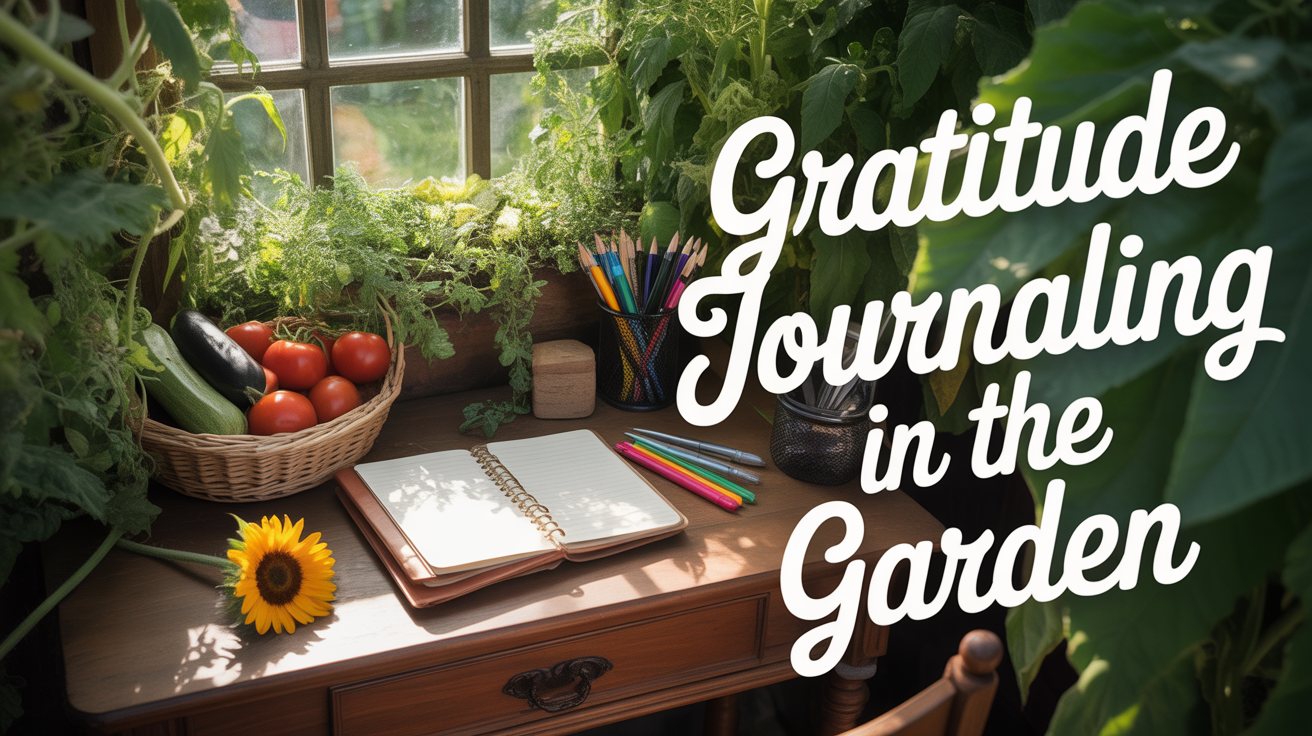
Gratitude Journaling in the Garden: A Practice of Presence and Faith 🌱
One of my favorite rhythms in the garden is not digging, planting, or harvesting—it’s pausing. Sitting with pen in hand, looking out over what’s grown, and writing down what I’m thankful for. There’s something sacred about that stillness, especially here in Zone 9 where the garden whispers something new nearly every week of the year.
For years, I treated my gardening journal like a ledger: plant dates, soil amendments, pest notes, watering schedules. Useful, absolutely—and I still track those things. But when I began weaving gratitude entries alongside the data—”first zinnia bloomed today,” “the kids helped harvest beans without complaining,” “the soil smells alive and dark after yesterday’s rain”—everything shifted. The garden stopped being a task list and became something sacred. It became a place where I could actually see God’s hand at work.
Free eBook
Rooted in Grace
A Christian guide to intuitive gardening — the whole book, free. Tell me where to send it and it’s yours in a minute.
Why Gratitude Journaling Changes Everything 💚
In Zone 9, where we’re blessed with the ability to garden nearly year-round, it’s easy to let the abundance blur together. We harvest, we plant, we move on to the next project. But when we pause to write down what we’re grateful for, we interrupt that hurried rhythm and actually *see* what’s happening.
Sanda’s Tip: Keep your gratitude journal in a spot where you’ll actually use it—maybe on the porch table next to your morning coffee, or tucked in a garden basket you carry while you work. The easier it is to access, the more likely you’ll pause and write.
Gratitude journaling shifts our perspective from problems to blessings. When you’re stressed about spider mites on your roses or frustrated that the tomatoes aren’t setting fruit in July heat, a gratitude practice reminds you of the thriving herb garden, the pollinator paradise your blooms have become, or the fact that you even *have* the privilege of growing things. It reframes challenges without ignoring them—that’s the real gift.
Spiritually, this practice roots us in a deep truth: every good and perfect gift comes from above (James 1:17). When we write down what we’re thankful for in the garden, we’re acknowledging that our hands do the work, but God provides the growth. That shift in perspective calms the anxious gardener’s heart and deepens our connection to creation.
What to Include in Your Garden Gratitude Journal
The beauty of a gratitude journal is that there’s no “wrong” way to do it. Here’s what I’ve found works beautifully when you’re keeping a practice in Zone 9’s generous growing seasons:
Daily or Weekly Thanks
You don’t need paragraphs. Even one sentence captures the moment: “The basil grew three inches this week.” “Harvested enough okra for dinner and a neighbor’s freezer.” “Found three swallowtail butterflies on the milkweed.” These brief entries, collected over months, become a powerful record of abundance.
The Firsts
First blooms, first harvests, first rains after a dry spell, first frost of fall, first spring bulbs poking through—our Zone 9 garden gives us multiple “first” moments throughout the year. Write them down. They matter more than you think, especially when you’re flipping back through your journal in January and needing a reminder that spring will come.
Beauty Notes
Sunsets filtered through tomato vines. Honeybees working the zinnias. The way morning dew sits on spider webs. A hummingbird you spotted. These observations train our eyes to see the garden as more than a food source—it’s a sanctuary. Write them down.
People Moments
Your daughter actually excited to help pull weeds. A neighbor stopping by to admire your fall garden. Teaching someone how to harvest beans properly. These human connections woven through our gardens are gifts we often rush past. Capture them.
Provision
A meal cooked entirely from what you grew. Herbs shared with a friend. Zinnias cut for Sunday worship. Beans canned for winter. The concrete ways your garden feeds and blesses others deserve to be recorded and celebrated.
Tools and Formats for Your Practice
The right tool is simply the one you’ll actually use. I’ve found that different seasons call for different approaches:
| Journal Type | Best For | Zone 9 Advantage |
| Blank notebook | Flexibility and freedom | Mix gratitude with planting notes and seasonal observations |
| Combination garden journal | Both data and reflection | Track successes and failures while honoring the lessons |
| Photo journal | Visual storytellers | Capture how the same beds transform through all four seasons |
| Printable trackers with prompts | Those who need structure | Prompts help you notice details you’d otherwise miss |
Sanda’s Zone 9 Note: Our Houston heat can make summer journaling feel like a chore if you’re trying to sit outside. Consider keeping a small waterproof notebook inside your potting shed or a shaded corner of the patio. Or journal in the early morning before temperatures climb, when the garden is coolest and most peaceful anyway.
Prompts to Spark Your Gratitude Practice
Sometimes a blank page feels overwhelming. When that happens, these prompts can guide your reflection:
What grew better than you expected this season? Maybe your eggplants thrived when you thought they’d struggle in our humidity. Maybe the shade garden surprised you with more vitality than you anticipated. Celebrate the unexpected wins.
Who shared in your harvest or joy? The person who stopped by and tasted a warm tomato straight from the vine. The friend who helped you stake the peas. The family member who ate something they’d never tried before.
What beauty surprised you today? An unfamiliar bird. A bloom you forgot you planted. The way light falls on the morning glory fence at sunset. These surprises are everywhere if we look.
What lesson did a plant (or the garden) teach you this week? Gardens are profound teachers. Perhaps your drought-stressed pepper taught you about resilience. Maybe the way weeds reclaim untended beds taught you about the cost of neglect. Or how your herbs recovered after the summer storm taught you about God’s restoration.
Where did you sense God’s presence in your garden this week? In the provision of rain when you needed it. In the strength to get out and pull weeds even when exhausted. In a butterfly that seemed to pause just for you. In the way growth happens without your effort or understanding.
Gratitude Through the Zone 9 Seasons 🍂🌸☀️❄️
One of the gifts of gardening in Zone 9 is that we have extended growing seasons and multiple opportunities for gratitude practice. Each season holds specific blessings worth recording:
Fall (August-October)
Give thanks for the cooling temperatures that make gardening pleasant again. Record your gratitude for the greens and cool-season crops that thrive when summer tomatoes fade. Document the beautiful transition of light—that golden-hour quality that makes everything glow. Note the return of energy you feel as Houston’s heat finally loosens its grip.
Winter (November-January)
Winter in Zone 9 is subtle but real. We don’t get the dramatic dormancy of northern zones, yet there’s still a quieting. Be grateful for the peas, kale, and onions that persist. Notice the small miracles of growth in cool soil. Record the peace of slower months and the way the garden becomes a place of gentle work rather than frantic maintenance.
Spring (February-April)
This is abundance season. Write down your awe at the explosion of blooms, the setting fruit, the energy that seems to move through everything. Capture the gratitude for new beginnings and the tangible sense of resurrection that gardens offer.
Summer (May-July)
Houston summers test us. Be grateful for the resilience of the plants that thrive in heat—okra, sweet potato, eggplant, basil. Document the storms that bring relief. Record moments of beauty that persist: a sunset after a thunderstorm, a hummingbird in the heat of the day, the satisfaction of harvesting when others’ gardens have slowed. Summer gratitude isn’t about abundance alone—it’s about endurance and hope.
Sanda’s Garden Wisdom: Each season’s gratitude builds on the last. When you flip back through your journal in July’s heat, reading about spring’s abundance reminds you that this difficult season too will pass. When winter feels long, spring’s entries promise that growth is coming. The journal becomes a record of God’s faithfulness in every season.
When Gratitude Multiplies: Sharing Your Practice
The garden’s gifts were never meant to stop with us alone. When we share our gratitude, it grows and spreads:
Read entries aloud with family at the dinner table. “Today I’m grateful for the okra we harvested, the bees I counted on the eggplant, and that even though the cucumber vine failed, we learned something about next year.” These conversations shape how our families see the garden.
Post a weekly gratitude moment on social media with a reflection. A photo of something beautiful or bountiful paired with a sentence about what you’re thankful for. You’d be surprised how many people need that reminder of God’s provision.
Write a handwritten note of thanks and pair it with herbs or flowers. A neighbor, a teacher, a friend struggling with something—send them basil or zinnias with a note about what you’re grateful for in knowing them. This weaves your garden’s abundance into your relationships.
Keep a family gratitude jar. Drop in slips of paper each week with one thing you’re grateful for from the garden. At year’s end, read them all together. It’s a powerful spiritual practice and a beautiful reminder of God’s faithfulness.
Faith Reflection: Rooted in Thanksgiving
Colossians 2:7 speaks to something deeply true about gratitude journaling: “Let your roots grow down into him, and let your lives be built on him. Then your faith will grow strong in the truth you were taught, and you will overflow with thankfulness” (NLT).
When we pause to journal our gratitude in the garden, we’re doing more than tracking blessings. We’re rooting ourselves deeper in faith. We’re acknowledging that everything we have
Gratitude When Growth Stalls: Finding Thanks in the Hard Seasons
Not every season delivers abundance, and that’s when gratitude journaling becomes most important—and most difficult. In Zone 9, we might experience a brutal freeze that catches us unprepared, a summer drought that withers what we’ve tended, or a season where pests or disease devastate a crop we’d counted on. These moments can make us feel like gratitude is dishonest, like we’re pretending everything is fine when it isn’t.
But here’s what I’ve discovered through my own disappointed harvests: gratitude in hard seasons isn’t about denying the loss. It’s about looking *around* the loss to find what remains. When fire blight took my neighbor’s pear tree, she journaled about the way her kids learned to prune, the research she’d do differently next year, and the fact that her apple tree still stood strong beside it. When Houston’s unpredictable spring freeze caught my early tomatoes, I found myself grateful for the backup seeds I’d saved, for the learning it offered, and for the okra and eggplant that would fill the gap instead.
This practice trains our hearts in a deeper faith—the kind that holds both loss and trust in the same moment. It mirrors how Scripture invites us to give thanks “in all circumstances” (1 Thessalonians 5:18), not because everything is good, but because God is faithful even when things aren’t going as planned. Your journal becomes a record of resilience, not just bounty.
The Physical Rhythm of Writing It Down
There’s something intentional about the act of putting pen to paper that scrolling through a note on your phone simply cannot replicate. When you sit with your journal, you’re slowing your nervous system, engaging your senses more fully, and creating a deliberate pause in your day. For those of us in Houston’s demanding heat and humidity, this matters. The simple act of writing by hand—feeling the pen, seeing your own handwriting, smelling the paper or the earth around you—anchors you in the present moment in a way that technology doesn’t quite manage.
Zone 9 gardeners know our seasons shift quickly. The cool mornings of fall give way to the brutal heat; spring explodes and then summer rushes in. By writing down what you’re grateful for, you’re creating a tactile, sensory record that captures not just what grew, but how it *felt* to tend it. When you read back through entries months later—maybe in the dead of summer heat or a slow winter stretch—that handwritten word carries more weight. It’s your own voice speaking back to you, and somehow it’s easier to believe in God’s goodness when you’re reading your own testimony of it.
Gratitude as an Antidote to Comparison
We live in an age where everyone’s garden is on display—on Instagram, in neighborhood garden tours, in carefully curated photos that show only the prettiest moments. It’s easy to look at someone else’s overflowing harvest and feel like our own efforts pale in comparison. A friend’s perfectly symmetrical raised beds make ours look chaotic. A neighbor’s picture-perfect roses feel like a quiet judgment on our struggling ones. This comparison steals our joy faster than any pest or disease could.
Sanda’s Tip: Keep your gratitude journal private. This practice isn’t for sharing or comparison—it’s between you, your garden, and God. Write down what’s *your* abundance, what *you* learned, what *your* hands grew. When gratitude stays private and personal, it loses the performance aspect and becomes genuinely transformative.
A gratitude journal is radically countercultural in this way. It trains your eye to notice what *you* have rather than what you lack. It celebrates your small successes without needing external validation. When you journal that your tomato plant—the one everyone said wouldn’t make it in your particular microclimate—finally set fruit, that’s real. That’s yours. That’s
Ready to Go Deeper in the Garden?
If this article resonated with you, you might be ready for something more than tips.
- Download the FREE Rooted in Grace eBook
- Get the Rooted in Grace Print Book on Amazon
- Join Rooted Reset
- Follow on Instagram – @southernsoils
- Save on Pinterest – @southernsoilsunshine
- Join on Facebook – Southern Soil Sunshine
“The garden is not just a place to grow plants – it is a place to grow yourself.”
Free eBook
Before you go — the book is yours
Rooted in Grace: A Christian Guide to Intuitive Gardening. No cost, no catch. Read it on any device, at whatever pace the season allows.



3 Comments