Eco-Friendly Gardening Gifts for a Sustainable Holiday Season
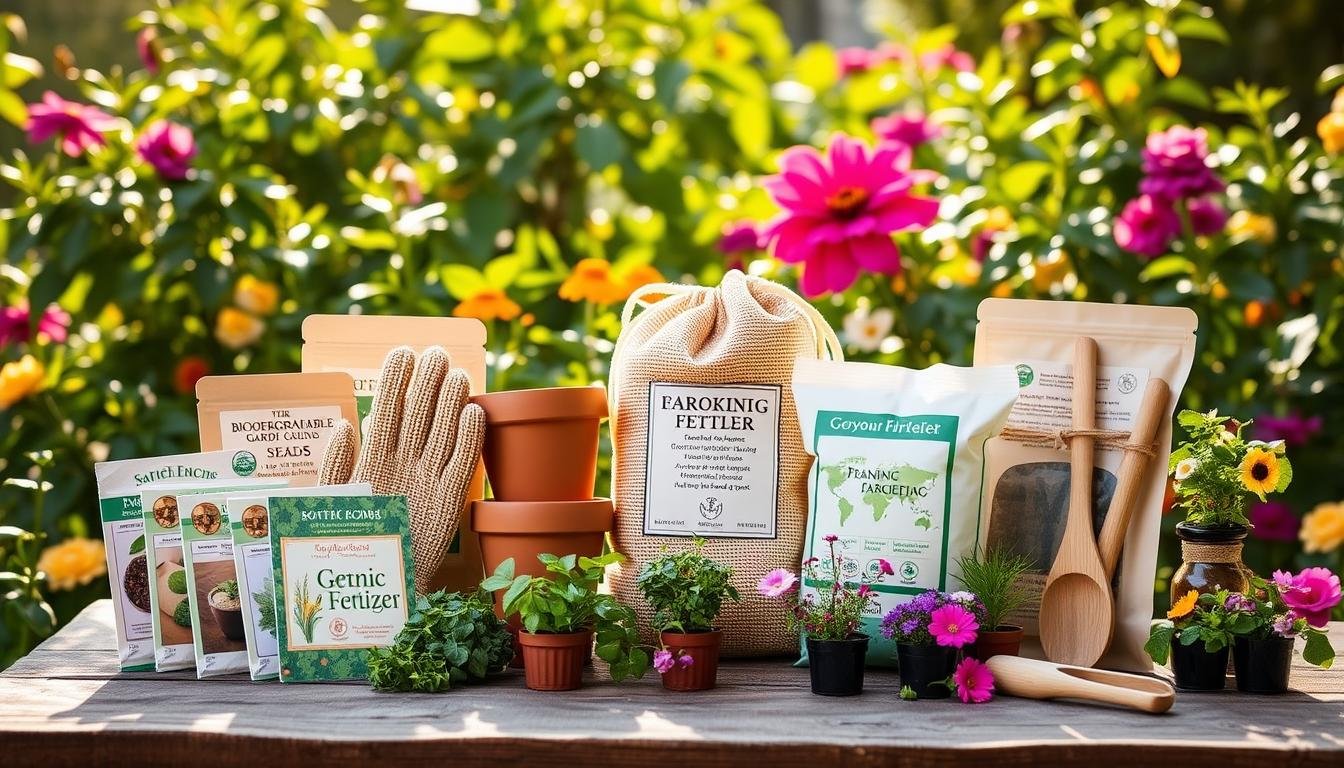
Eco-Friendly Gardening Gifts for a Sustainable Holiday Season 🌱
You know, my grandmother used to say that the best gifts were ones that kept on giving—literally. Every time you planted something she’d gifted us, we’d think of her. A single worm composting system can handle up to 8 pounds of kitchen waste weekly, which means we’re not just giving a gift; we’re planting seeds of change in someone’s life and our planet’s future.
As we head into the holiday season here in Zone 9, I’m thinking about what it means to give thoughtfully. For those of us who garden in Houston’s humid subtropical climate, gift-giving takes on a special meaning. We’re not just exchanging presents—we’re inviting each other deeper into this sacred work of tending the earth. This year, let’s explore eco-friendly gifts that honor both the gardener’s heart and God’s creation.
Sanda’s Tip: Before you shop for that gardener in your life, take time to observe their space. What do they already grow? What challenges do they face in our Houston heat? The most meaningful gifts speak to someone’s specific needs, not just generic “green” trends.
Free eBook
Rooted in Grace
A Christian guide to intuitive gardening — the whole book, free. Tell me where to send it and it’s yours in a minute.
Understanding the Gift of Sustainable Gardening 🌿
There’s something beautiful about giving gifts that align with our values. When my grandmother pressed seeds into my small hand—basil, tomato, zinnias—she was teaching me that generosity and stewardship go hand in hand. That lesson stuck with me, and it’s why I’m passionate about helping you find gifts that matter.
Eco-friendly gardening gifts aren’t about checking boxes. They’re about saying, “I see who you are. I respect what you care about. I want to help you grow—both your garden and your impact on this world.” Whether you’re shopping for a seasoned gardener or someone just discovering the joy of soil under their fingernails, there are gifts that will delight and encourage them.
Consider gifts like the Potmaker Paper Pot Press, which transforms recycled paper into seed pots right in your hands. Or the Honeybee Scatter Garden kit with over 20 native flowers perfect for our Houston pollinators. These aren’t trendy novelties—they’re practical tools that support both people and planet.
Seed Starting Essentials for Green Gardeners in Zone 9 🌾
Here in Houston, we have a unique advantage: our long growing season means we can start seeds earlier than much of the country. But with that gift comes responsibility. Starting seeds sustainably is one of the most rewarding ways to garden, and it makes an excellent gift focus.
Biodegradable Seed Trays and Pots
Let’s be honest—those plastic nursery pots pile up. Every spring, I’m tempted to hoard them, but then I remember they’ll spend centuries in a landfill after their brief moment of usefulness. Instead, gift biodegradable options made from coconut fiber, recycled paper, or peat.
For Zone 9 gardeners, coconut fiber cups work beautifully for warm-season crops like peppers and tomatoes, which we often start in late January for transplanting by April. The fiber breaks down naturally when you plant the seedling directly into the ground—roots and all. No transplant shock, no plastic waste.
Sanda’s Zone 9 Note: Be cautious with early spring seed starting in Houston. Our February and March weather can be deceptive. Even in biodegradable pots, seedlings can get leggy from inconsistent light and warmth. Pair any seed-starting gift with a grow light and a reminder to start seeds just 6-8 weeks before your intended transplant date.
Organic Seed Starting Mix
The soil you use matters—truly matters. An organic seed-starting mix made from compost, coconut coir, and perlite gives seedlings the gentle start they need. No synthetic fertilizers, no mystery chemicals. Just good earth and the nutrients already present in quality compost.
When you gift an organic seed-starting mix, you’re investing in someone’s success. Research shows that plants started in organic mixes develop stronger root systems, which is crucial for our Texas heat. Strong roots mean plants that can handle the stress of transplanting and our intense summer sun.
Energy-Efficient LED Grow Light Systems
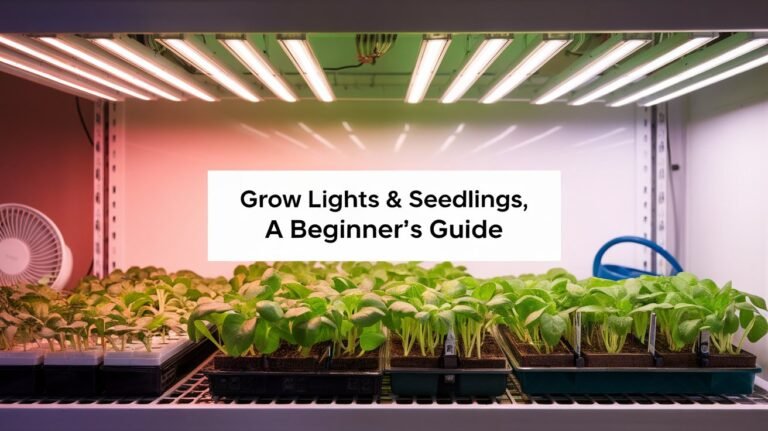
If there’s one gift that solves a genuine problem for Houston gardeners, it’s a quality LED grow light system. Our winters aren’t dark like northern climates, but indoor seed starting still benefits enormously from supplemental light. LEDs use a fraction of the energy that old fluorescent lights demand, and they produce less heat—important when you’re already dealing with warm indoor spaces.
I love recommending adjustable LED systems that let gardeners set the timer and intensity. This means the person receiving the gift can learn as they go, adjusting light duration based on what the seedlings tell them. That’s the beauty of intuitive gardening—observation, reflection, faithful response.
| Seed Starting Gift Options for Zone 9 | Best For | Timeline |
| Biodegradable pot collection | Warm-season crops (tomatoes, peppers) | January-February starts |
| Organic seed-starting mix (5+ quarts) | All seedlings, especially vegetables | Year-round (we seed twice!) |
| LED grow light system with timer | Indoor seed starting, microgreens | December-March (winter starts) |
| Heirloom seed collection (heat-tolerant varieties) | Summer and fall gardens | March-April and July-August starts |
Eco-Friendly Gardening Tools and Accessories ✋
A garden is only as good as the hands that tend it, and the tools those hands hold. When we choose sustainable tools, we’re making a statement: this work matters, and it deserves quality.
Hand Tools from Sustainable Materials
The Wilcox 14″ Digging Trowel crafted from stainless steel is a workhorse—the kind of tool that lasts a lifetime and passes to the next generation. In our Houston clay, a quality trowel isn’t luxury; it’s necessity. That tool will outlive plastic alternatives by decades.
Then there’s the hori hori knife, which I call the “Swiss Army knife of gardening.” It digs, it cuts, it scrapes—it does everything with grace and precision. For tight planting in a crowded Houston bed where every inch matters, this Japanese tool is poetry in motion.
Sanda’s Garden Wisdom: When gifting tools, include a brief note about care. A quality stainless steel tool needs to be wiped clean after use (our humidity loves rust). This transforms the gift into an invitation to slow down, to tend both the garden and the tools with intention.
Natural Fiber Gardening Gloves
Working in the garden with our bare hands, or nearly bare hands, connects us to something real. But thorns, Texas fire ants, and the occasional fire ant mound mean protection matters. Bamboo gardening gloves are breathable—essential in Houston’s humidity—and they’re biodegradable when they finally wear out.
For heavier work, Womanswork Gardeners Goat Skin Gloves offer flexibility and protection without the bulk. Goat skin is a byproduct that would be wasted otherwise, making it truly sustainable. These gloves will cradle a thorny rose cane or help you battle the toughest weeds without sacrificing dexterity.
Sustainable Tool Storage Solutions
Organization isn’t just practical; it’s a spiritual practice. When tools have a home, they’re treated with respect. They’re easier to find, less likely to rust, and they last longer. Recycled material organizers—wall-mounted systems, garden benches with storage, even vintage wooden crates—transform tool care into an intentional ritual.
I particularly love the idea of gifting a tool roll made from reclaimed canvas or organic cotton. It’s portable, beautiful, and speaks to the gardener’s values every time they reach for it.
Living Gifts That Keep Growing 🌻
Some of the most meaningful eco-friendly gifts aren’t things at all—they’re living plants and the opportunity to grow them. A self-watering basil planter bridges the gap between convenience and responsibility. A Dawn Redwood Bonsai Kit teaches patience and observation. A native plant collection supports our Houston pollinators while requiring less water and fuss.
Container Garden Seed Boxes with five easy-to-grow vegetables work wonderfully for apartment dwellers or those new to gardening. Starting seeds is cheaper than buying nursery plants, yes, but it’s also more connected. The person receiving the gift will taste tomatoes they germinated themselves—that changes everything.
The Gift of Community and Connection 💚
Don’t overlook the power of gifting community. A membership to your local native plant society, a workshop at the Houston native plant center, or even just an invitation to tour someone’s sustainable garden—these gifts cost little but mean everything.
Consider gifting something secondhand too. That well-loved book about permaculture, vintage seed catalogs, a vintage watering can that’s been waiting in an estate sale for someone who’ll use it with intention. These gifts carry history and heart. They say, “We’re part of a larger story, a lineage of gardeners who’ve come before and will come after.”
Sanda’s Tip: Pair any physical gift with a handwritten note about why you chose it specifically for them. Maybe they’ve mentioned wanting to start seeds. Maybe you’ve noticed their love for native plants. A personal note transforms a gift into a conversation, a connection, an act of true attention.
Quick Reference: Eco-Friendly Gift Ideas by Gardener Type 📋
| Gardener Profile | Gift Idea | Why It Works |
| Beginner/Container gardener | Self-watering |
When Gifts Become Teachers: The Power of Observation in Gift-Giving
You know what strikes me most about sustainable gift-giving? It requires us to slow down and really *see* the person we’re buying for. Not just their gardening style, but their rhythms, their struggles, their quiet joys. In our Houston gardens, where the heat demands we pay attention to every plant’s needs, we learn this lesson naturally. The same applies to gifting.
When you choose a gift based on genuine observation—noticing that your neighbor’s tomato seedlings always get leggy indoors, or seeing that your friend’s hands are rough from using worn-out tools—you’re practicing a kind of love language. You’re saying, “I’ve been paying attention. I know what would actually help you.” That’s different from buying whatever’s trending on the sustainable gift list.
This is where intuitive gardening and intuitive gift-giving overlap beautifully. Both require us to observe conditions, reflect on what we’re seeing, and respond thoughtfully. Both honor the specific person or plant in front of us, not some generic ideal. When you gift based on observation, you’re acknowledging that gardening in Zone 9 Houston looks different from gardening in Seattle or Santa Fe. Your friend’s needs are particular. The gift should be too.
The Hidden Cost of “Eco-Friendly” Marketing: Shopping with Integrity
Here’s something we don’t talk about enough: not everything labeled “eco-friendly” actually is. Sometimes it’s greenwashing—a company using sustainable language to sell products that still end up in landfills, or that were shipped across the world in carbon-heavy ways. As gardeners rooted in faith and values, we’re called to look deeper.
Before gifting that fancy compostable product, ask yourself: Where was it made? How was it shipped? Will it actually biodegrade in a typical compost bin, or only in industrial facilities? Does the company’s business model align with creation care, or just the marketing of it? A simple stainless steel trowel made locally might be far more sustainable than a flashy biodegradable gadget shipped from overseas.
For Zone 9 gardeners, I particularly recommend seeking out gifts from Texas-based sustainable companies and nurseries. When you buy a native plant collection from a local grower, you’re not just getting adapted varieties—you’re supporting your community and reducing transportation emissions. That’s integrity in action.
Sanda’s Garden Wisdom: Check secondhand first. Facebook Marketplace, estate sales, and local Buy Nothing groups overflow with quality gardening tools and supplies. A gently used rain barrel, vintage garden books, or well-made tools from someone’s shed are genuinely sustainable—they’re extending an item’s life rather than creating demand for new manufacturing. Plus, the story behind a secondhand gift adds warmth that new items rarely have.
Budget-Friendly Eco-Gifts That Pack Real Value
Let’s be honest: the most sustainable gift is one that doesn’t strain your budget, because financial stress leads to regret and sometimes returns. Some of the most meaningful gardening gifts cost almost nothing but offer enormous value, especially here in Houston where our growing season is so generous.
A jar of heirloom seeds you’ve saved from your own garden, beautifully packaged with a note about the plant’s history in your yard? That costs you nothing but time and intention, and it’s priceless. A homemade seed tape—newspaper strips with seeds embedded in flour paste—shows thoughtfulness and teaches a skill simultaneously. A printed copy of a favorite gardening article or book chapter, annotated with your own notes and highlighted passages, invites someone into your learning journey.
You could create a “Houston Summer Survival Kit” for a fellow gardener: a bottle of homemade electrolyte drink for hot garden days, a bandana, sunscreen, and a handwritten guide to shade-tolerant vegetables for our brutal July and August. The materials cost $15, but the personalization makes it worth far more.
For someone just starting seeds, gather materials yourself: save yogurt containers, poke drainage holes, and pair them with a small bag of your own compost mixed with perlite. Add a handful of seeds from your collection. The whole gift might cost $8 and takes an evening to assemble, but it says, “I’m investing in your journey as a gardener because I believe in you.”
One more thought on budget: some of the best gifts aren’t gifts in the traditional sense. An afternoon teaching someone how to save seeds from their own tomatoes. A morning spent helping them build a raised bed or install drip irrigation. Your time, your knowledge, your presence—these cost nothing in dollars but everything in meaning. In our hurried culture, the gift of undivided attention in the garden might be the most countercultural, most valuable thing you could offer.
As we move through this season of giving, I’m reminded that generosity isn’t measured in price tags. It’s measured in how closely we’ve paid attention, how honestly we’ve acted, and how much we’ve honored both
Ready to Go Deeper in the Garden?
If this article resonated with you, you might be ready for something more than tips.
- Download the FREE Rooted in Grace eBook
- Get the Rooted in Grace Print Book on Amazon
- Join Rooted Reset
- Follow on Instagram – @southernsoils
- Save on Pinterest – @southernsoilsunshine
- Join on Facebook – Southern Soil Sunshine
“The garden is not just a place to grow plants – it is a place to grow yourself.”
Free eBook
Before you go — the book is yours
Rooted in Grace: A Christian Guide to Intuitive Gardening. No cost, no catch. Read it on any device, at whatever pace the season allows.




One Comment