15 Magical Pairings for Edible Landscaping You’ll Love
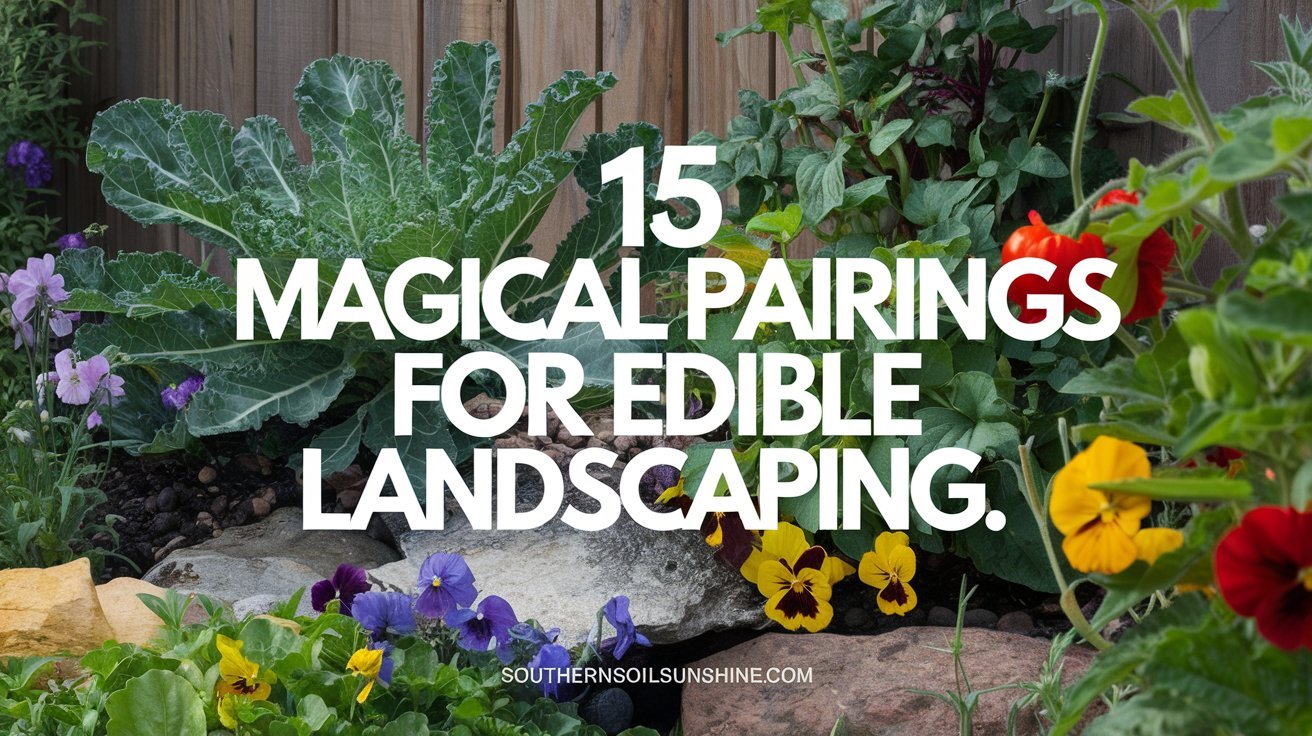
15 Magical Pairings for Edible Landscaping You’ll Love 🌿
There’s something sacred about growing your own food, isn’t there? When I first started edible landscaping, I realized I wasn’t just planting a garden—I was creating a living pantry that fed both my family and my soul. The real magic happens when you stop seeing vegetables and herbs as purely functional, and start seeing them as partners in a beautiful dance of color, texture, and purpose.
In Zone 9 Houston, we have this incredible gift: a long growing season that lets us play with combinations year-round. Here in the subtropical heat, edible landscaping isn’t just pretty—it’s practical. These 15 pairings are designed with our hot summers, mild winters, and unpredictable springs in mind. Each combination works because the plants understand each other: their water needs align, their pests keep each other in check, and together they create a landscape that’s as beautiful as it is delicious. 🌱
Free eBook
Rooted in Grace
A Christian guide to intuitive gardening — the whole book, free. Tell me where to send it and it’s yours in a minute.
Understanding the Intuitive Approach
Before we dive into specific pairings, let me share what I’ve learned about edible landscaping in our Zone 9 climate. It’s about observing what thrives in your yard, reflecting on your family’s needs, and responding faithfully to what the garden teaches you. Some years, the heat comes earlier. Some years, our rare cold snaps surprise us. The gardeners who thrive are the ones who stay flexible and curious.
Each pairing I’m sharing has been tested in Houston suburban gardens—real yards with real challenges like clay soil, afternoon sun exposure, and the occasional pest invasion. Let’s explore them together.
The 15 Magical Pairings
1. Kale and Pansies: A Cool-Season Power Couple
In our Zone 9 garden, kale is our cold-season superstar. Plant it in October, and it’ll reward you with tender leaves through March. Pair it with pansies, and you’ve got something special: the vibrant jewel tones of the pansies (deep purples, soft yellows, rich burgundies) create a stunning contrast against kale’s textured, deeply-lobed foliage.
Why it works here: Both thrive in our mild winters when most of the country is hibernating. Kale’s nutty flavor improves after a frost, and pansies actually sweeten when temperatures drop. They share similar water needs and appreciate morning sun with afternoon shade during our spring warm-up.
Placement strategy: Create alternating rows—let the pansies cascade at the edges while kale takes center stage. This arrangement maximizes your visual impact and makes harvesting easy.
Sanda’s Zone 9 Note: Plant both in mid-September for best results. Our first light frost usually hits by late November, and that’s when the magic happens—the cold actually improves flavor. Pansies can handle temperatures down to 20°F, though below that, you’ll see damage.
2. Thyme and Creeping Sedum: The Drought Duo
Houston’s summers can be brutal. Both thyme and creeping sedum laugh in the face of heat and drought. Thyme gives you tiny, fragrant leaves perfect for tea or cooking, while sedum offers textured, fleshy leaves in shades of jade, burgundy, and chartreuse depending on the variety you choose.
Why it works here: These are Mediterranean and succulent plants, respectively—they actually prefer poor soil and infrequent watering. In our heavy clay, they thrive when we stop fussing over them. Thyme produces delicate purple, pink, or white flowers that attract pollinators, while sedum’s star-shaped blooms extend your harvest period for visual interest.
Placement strategy: Use thyme as a fragrant border along pathways or bed edges, with creeping sedum filling in low spots and cascading over raised bed edges.
3. Dill and Zinnias: The Airy Romance
Picture this: feathery dill reaching upward with its delicate, thread-like leaves, and bold, layered zinnia blooms in oranges, magentas, and corals at mid-height. This pairing is pure poetry. Dill is essential for pickling cucumbers and attracts beneficial insects like swallowtail butterflies. Zinnias are Zone 9 summer workhorses—they genuinely seem to thrive in our heat.
Why it works here: Dill bolts quickly in Houston heat but self-seeds readily, giving you continuous harvests. Zinnias love our summer sun and actually produce more blooms when temperatures exceed 90°F. They’re also beloved by pollinators, which helps set fruit on any nearby edibles.
Placement strategy: Plant dill toward the back (it reaches 18-24″), with zinnias in the middle or front. As dill flowers and goes to seed, the zinnias will fill in the visual space.
Sanda’s Tip: Both dill and zinnias self-seed in Houston’s Zone 9 climate. You might find volunteer dill and zinnias popping up in unexpected places next season—consider it a gift from your garden! If you want to prevent this, deadhead before seeds mature (though I usually let at least a few go to seed).
4. Cherry Tomatoes and Nasturtiums: The Pest-Fighting Pair
Cherry tomatoes are practically Houston summer royalty. Pair them with nasturtiums—those spicy, peppery-flavored flowers and round leaves in shades of cream, red, and orange—and you’ve got edible landscaping that actually protects itself. Nasturtiums act as a “trap crop,” attracting aphids and spider mites away from your precious tomatoes.
Why it works here: Cherry tomatoes need vertical support in our gardens to keep fruit off the ground (which helps prevent fungal issues in humid summers). Nasturtiums sprawl horizontally, creating a living mulch at the base. Both are heat-lovers and will produce through September if you keep them watered.
Placement strategy: Use a sturdy trellis or cage for tomatoes. Plant nasturtiums around the base, allowing them to climb and trail. The flowers are edible—add them to salads for a peppery bite.
5. Basil and Marigolds: The Classic Protectors
Fresh basil is non-negotiable in my kitchen, and basil thrives in Houston heat like few other herbs. Basil releases natural oils that repel aphids, while marigolds deter nematodes in the soil and attract pollinators. Together, they’re a powerhouse of natural pest management and color.
Why it works here: Both are annuals that love full sun and warmth. Basil is prolific in our long growing season—plant it in April and harvest through October. Marigolds bloom continuously and actually produce more flowers when deadheaded (which you’ll be doing anyway for flower arrangements).
Placement strategy: Plant basil in clusters around the base of marigolds in your sunniest beds. The marigolds’ height (depending on variety, 12-36″) creates a productive backdrop.
6. Swiss Chard and Petunias: The Rainbow Reality
Swiss chard is one of my favorite vegetables for Zone 9—it tolerates both heat and cold better than most greens. The jewel-toned stalks (reds, oranges, yellows, cream) are stunning, and petunias in complementary colors create a living work of art. Plus, chard keeps producing all season if you harvest the outer leaves first.
Why it works here: Swiss chard is incredibly hardy and produces from spring through fall in Houston. Petunias cascade and spread, filling visual gaps while chard stands tall with its architectural foliage. Both prefer slightly rich soil (with added compost, our clay becomes workable) and regular watering.
Placement strategy: Position chard as your focal point with petunias tumbling around it. This gives you height variation and continuous color.
7. Lettuce and Snapdragons: The Layered Beauty
Our cool season (November through March) is prime time for delicate lettuce and stunning snapdragons. This pairing creates a two-tiered visual: soft, ruffled lettuce leaves at ground level with tall, structured snapdragon blooms above in crimsons, pinks, and yellows.
Why it works here: Both prefer cooler temperatures and appreciate afternoon shade during our unpredictable spring warm-ups. Snapdragons attract hoverflies, whose larvae devour aphids that occasionally bother lettuce.
Placement strategy: Plant lettuce in a dense cluster with snapdragons surrounding them at a slightly greater height. Succession-plant lettuce every three weeks for continuous harvest.
8. Oregano and Catmint: The Aromatic Border
These two Mediterranean herbs are meant for Houston: both are drought-tolerant, attract pollinators, and create a fragrant, visually interesting border. Oregano offers fine-textured, soft green foliage with tiny flowers, while catmint’s silvery-green leaves and lavender blooms provide contrast.
Why it works here: Once established, both need minimal water beyond natural rainfall. They improve in flavor and vigor when stressed slightly by drier conditions—the opposite of our heavy watering tendency. Cut catmint back after spring bloom, and it’ll reflower.
Placement strategy: Use them as edging along pathways or raised beds. Their spreading growth habit creates a living mat that suppresses weeds.
9. Green Beans and Borage: The Pollinator Magnets
Bush or pole beans are summer producers in Houston, and borage—with its fuzzy leaves and stunning blue star-shaped flowers—creates a magical companion. Borage flowers are edible (with a cucumber-like taste) and incredibly attractive to bees, which means better bean pollination.
Why it works here: Beans fix nitrogen in soil while borage’s deep roots bring minerals up from below. Borage blooms prolifically in our heat and blooms until frost.
Placement strategy: Plant beans with borage interspersed. If using pole beans, let borage cascade around the base of the support structure.
10. Peppers and Celosia: The Heat-Lovers’ Paradise
When temperatures hit 95°F, most plants struggle—but not peppers or celosia. Peppers (sweet or hot) offer vertical interest and edible fruit, while celosia (with its velvety, brain-like or feathery flower heads in reds, oranges, pinks, and yellows) thrives in intense heat.
Why it works here: Both are essentially indestructible in Zone 9 summer heat. Celosia self-seeds readily, giving you volunteers next year. Both appreciate well-amended soil and regular watering during fruiting season.
Placement strategy: Plant celosia at varied heights around pepper plants to create layers of texture and color.
11. Garlic Chives and Violas: The Cottage Garden Pairing
Garlic chives (actually Asian chives) are a gourmet ingredient with thin, delicate leaves and white flowers. Violas add dainty charm with their face-like blooms in purples, yellows, and bicolors. Together, they’re delicate, charming, and surprisingly productive.
Why it works here: Both tolerate partial shade, which is helpful for our spring and fall when afternoon sun gets intense. Garlic chives produce year-round in Houston, and violas thrive in our mild winters, bridging seasons beautifully.
Placement strategy: Use garlic chives as a subtle edging with violas nestled between plants. Both are low-growing, so they work in foreground positions.
12. Carrots and Bachelor’s Buttons: The Filler Friends
Carrots develop underground while taking minimal visual space, making them perfect for pairing with bachelor’s buttons—also called cornflowers—which bloom in brilliant blues, pinks, and purples. The feathery carrot foliage is delicate and fine, creating textural interest above ground.
Why it works here: Carrots appreciate cooler weather (plant in
The Soil Chemistry That Makes These Pairings Thrive in Houston
You know, here’s something I’ve learned after years of gardening in our Zone 9 clay: these pairings work partly because of what’s happening below the surface. Our heavy, alkaline Houston soil is basically one big adjustment waiting to happen. But when you pair plants thoughtfully, you’re actually working with soil biology, not against it.
Take those legumes like green beans paired with borage—the beans fix nitrogen while borage’s deep taproot brings up minerals from far below, essentially mining nutrients our compacted clay would otherwise lock away. Similarly, herbs like thyme and oregano thrive in our poorest spots because they’ve evolved to pull nutrients efficiently from lean soil. When you understand these underground partnerships, you stop fighting your garden and start partnering with it. Your edible landscape becomes increasingly self-sufficient each season.
Succession Planting: Creating a Year-Round Edible Flow
One of the most generative practices in Houston gardening is thinking seasonally about your pairings. We don’t have just one “growing season”—we have overlapping windows that, when you plan them right, mean you’re harvesting something nearly every month.
Your cool-season pairings (kale and pansies, lettuce and snapdragons) work beautifully from September through March. As those fade in late spring, your summer warriors take over—cherry tomatoes and nasturtiums in May, peppers and celosia by June, basil and marigolds through August. Then as temperatures start cooling again in late August, you’re already succession-planting lettuce, garlic chives, and violas for that gorgeous fall and winter landscape. This isn’t complicated; it’s just observing the seasons and responding to them with intention. The result is a garden that never feels empty, and your kitchen is never short on fresh harvests.
| Season | Best Pairings | Plant Timing (Houston) |
|---|---|---|
| Fall/Winter | Kale & Pansies, Lettuce & Snapdragons, Garlic Chives & Violas | September-October |
| Spring | Swiss Chard & Petunias, Carrots & Bachelor’s Buttons | February-March |
| Summer |
Ready to Go Deeper in the Garden?If this article resonated with you, you might be ready for something more than tips.
“The garden is not just a place to grow plants – it is a place to grow yourself.” Free eBook Before you go — the book is yours Rooted in Grace: A Christian Guide to Intuitive Gardening. No cost, no catch. Read it on any device, at whatever pace the season allows. |