
10 Simple and Sustainable Christmas Decor Ideas for Your Outdoor Spaces
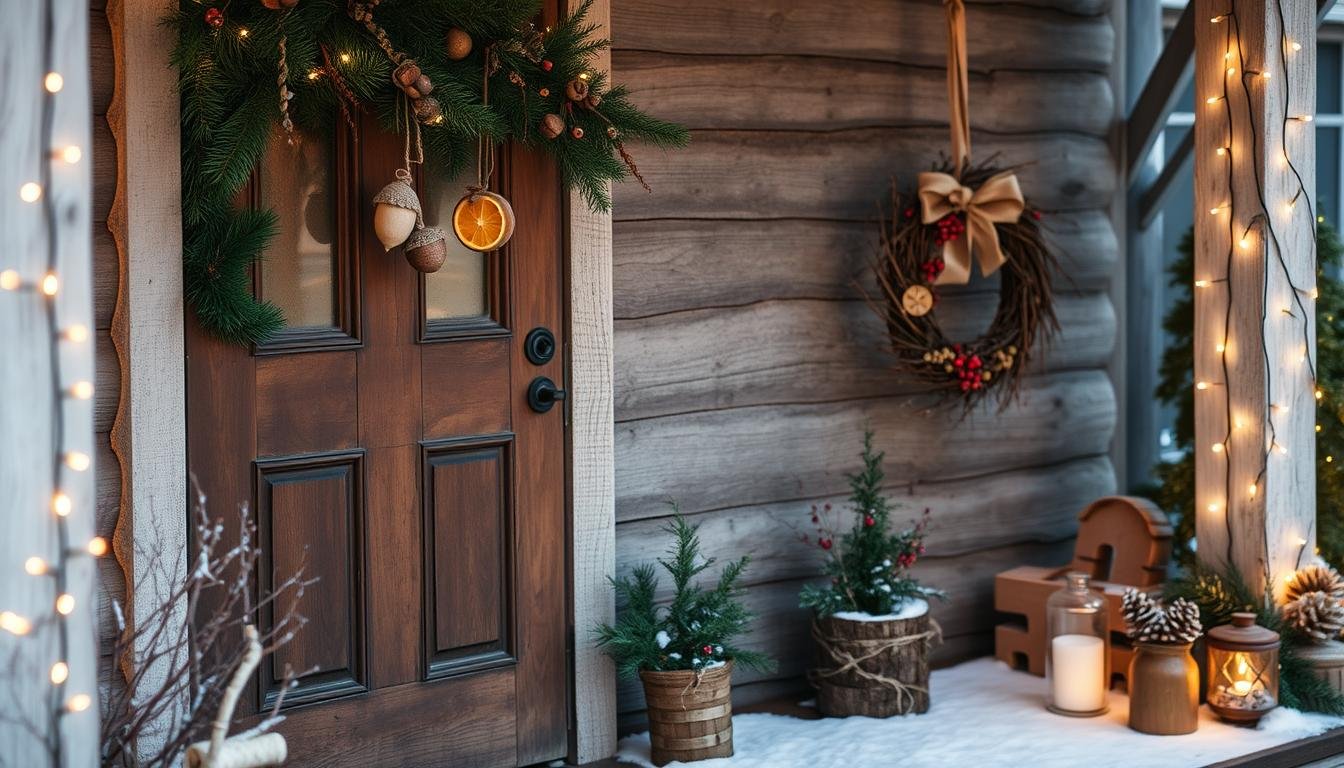
10 Simple and Sustainable Christmas Decor Ideas for Your Outdoor Spaces 🌿
There’s something sacred about decorating your home for Christmas—a pause in the everyday rush to create beauty and warmth. When we walk outside and see frosted evergreens, glowing lanterns, and garlands woven from what our own land provides, we’re doing more than adorning our homes. We’re honoring creation and connecting with generations of traditions before us.
Here in Zone 9, our outdoor Christmas decorating season spans longer than most, and that’s a gift. Our mild winters mean we can work with both traditional elements and the unique treasures our Houston suburban gardens offer. This guide invites you to decorate sustainably—not because it’s trendy, but because it’s beautiful, meaningful, and honoring to the earth that sustains us.
Free eBook
Rooted in Grace
A Christian guide to intuitive gardening — the whole book, free. Tell me where to send it and it’s yours in a minute.
The Intuitive Path to Eco-Friendly Holiday Beauty
When I think about decorating for Christmas, I follow what I call the intuitive gardening framework: observe what nature offers, reflect on what brings joy, and respond faithfully with intention. This season, let’s apply that wisdom to our outdoor spaces.
I observe my garden in November and December—what’s still blooming, what’s dried beautifully, what branches are full and generous. I reflect on memories of Christmases past, the textures and scents that made me feel at home. Then I respond by gathering these gifts and creating something both festive and grounded in earth-care.
Sanda’s Tip: In Houston’s Zone 9, November through December is your prime foraged-materials season. Go slowly through your garden with a basket and gather what speaks to you—cedar clippings, dried seedheads, interesting branches, and berries. This mindful gathering becomes part of your decorating meditation. 🍂
What Nature Provides in Our Zone 9 Gardens
Foraged Treasures from Your Own Landscape
When research shows that 70% of beautiful outdoor Christmas decor uses foraged materials, we’re really seeing a return to what our grandmothers knew: the best decorations are already growing in your yard. In the Houston area, we’re blessed with evergreen options that make stunning garlands and wreaths year-round.
Cedar clippings are your first treasure. When you prune your eastern red cedar or Leyland cypress in late fall, save those cuttings. They hold their fragrance, stay green through our warmest winter days, and create the foundation for any sustainable garland. Holly is another gift—both the native American holly and the more ornamental varieties thrive here. Those red berries are pure December magic.
Branches tell their own stories. Look for twisted oak branches, interesting magnolia twigs, or feathery native Ilex decidua stems. Pinecones from our loblolly and longleaf pines are abundant and beautiful. Dried seedheads from ornamental grasses you likely planted in spring—black-eyed Susan, fountain grass, coneflowers—add texture and movement to garlands and wreaths.
| Foraged Material | Zone 9 Availability (Nov-Dec) | Best Uses | Sustainability Note |
| Cedar clippings | Abundant | Garland base, wreaths | Prune from healthy trees |
| Holly branches with berries | Good (females have berries) | Focal points in arrangements | Selective harvesting only |
| Interesting branches | Very abundant | Structural elements | Use storm-fallen branches |
| Pinecones | Very abundant | Texture, dried arrangements | Completely renewable |
| Dried grasses & seedheads | Abundant | Airy texture, height | Already in your garden |
| Dried citrus slices | From your lemons/oranges | Ornaments, garland accents | Zero waste, fragrant |
Sanda’s Zone 9 Note: Be mindful when harvesting holly berries. Only take from female plants on your own property (or with explicit permission), and leave enough for winter birds who depend on them. Our songbirds are counting on us. 🐦
10 Ideas for Sustainable Christmas Decor in Your Zone 9 Garden
1. Cedar and Holly Garland for Your Fence Line
Start with flexible cedar clippings as your base—wrap them loosely around fence posts or along railings. Tuck in holly branches with berries as focal points, spacing them every 2-3 feet. This approach works beautifully for the long fence lines many of us have in suburban Houston. The garland lasts through our mild winter and becomes mulch in January.
2. Wreath Wreaths from Your Garden
A sustainable wreath begins with a base—you can use twisted grapevine (often available from pruned arbors), bent willow branches, or even cardboard formed into a circle. Layer your foraged materials: cedar, dried grasses, small branches, and a few berries. Add dried orange slices wired to the frame. This becomes an heirloom piece you’ll use for years.
3. Lantern Displays with Candlelight
Lanterns create that warm, inviting glow that speaks to something deep in us—a reminder that light persists even in winter’s darkness. Fill simple glass lanterns (reused from previous years or borrowed from friends) with pillar candles surrounded by pinecones, dried citrus, and small branches. Arrange them along your entry path or on a porch table. LED candles work beautifully if you have concerns about open flames and Houston’s occasional wind.
4. Dried Citrus Ornaments and Garland
If you’ve grown citrus in your Zone 9 garden—and many of us have lemon, lime, or orange trees—slice them thin in November and dry them on a low oven setting (200°F for 2-3 hours). These become beautiful ornaments strung on twine or woven into garlands. They’re fragrant, colorful, and utterly sustainable. This year, my lemon tree gave me enough slices to decorate three garlands.
5. Wooden Planters with Evergreen Arrangements
Rather than buying pre-made arrangements, create your own in wooden planters you already have. Fill them with cedar, branches, and pinecones, adding candles or small solar lights. Group planters of varying heights by your front door or along a porch. These can be refreshed throughout the season as materials fade.
6. Reclaimed Materials from Previous Years
Look in your shed or garage for old lanterns, vintage bells, brass horns, or wooden pieces. A large black lantern that belonged to my sister now greets guests at my doorstep each December. Wooden crates become planter boxes filled with greens. Old wool blankets drape over porch railings. These pieces carry memory and story—they’re far more meaningful than anything new.
7. Native Plant Berry Branches in Tall Vases
Arrange bare branches in tall glass vases and tuck native plants with berries among them. Ilex decidua (possumhaw) is gorgeous for this—it’s a native deciduous holly with red berries that persist through winter. Add some cedar sprigs and suddenly you have a stunning arrangement that requires no watering and lasts weeks.
8. Rope and Garland for Porch Posts
Wrap natural rope around porch posts, securing your foraged garland materials every few inches. This technique transforms plain columns into festive elements without being overly fussy. Use sisal rope (biodegradable) and secure everything with natural twine rather than plastic zip ties.
9. Dried Grass and Seedhead Arrangements
Those ornamental grasses you planted this spring—liriope, muhly, fountain grass—their dried seedheads are architectural and beautiful. Cut them and arrange in tall vases, often without water needed. They catch afternoon light beautifully and last through January.
10. Community Garland-Making Gathering
Invite neighbors to a garland-making afternoon. Share your foraged materials, work together creating garlands and wreaths, and exchange pieces. This isn’t just decoration; it’s communion. It’s the kind of tradition that roots us to place and community, exactly what the season calls for.
Sanda’s Garden Wisdom: When you work with materials from your own garden, you’re practicing what I call “place-based decorating.” You’re telling your home’s story through its own gifts. This connection deepens your appreciation for the land itself. ✨
The Spiritual Practice of Sustainable Decorating
There’s something deeply meaningful about stepping outside in early December, observing your garden with fresh eyes, and asking: “What can I gather here that will become beautiful?” It’s a meditation, really. It slows you down. It reminds you that creation provides abundantly if we pay attention.
When you decorate with foraged materials, you’re acknowledging that this earth is a gift, not a commodity. You’re teaching anyone who visits your home—especially children—that beauty doesn’t require consumption. It requires attention, intention, and work with your hands.
Practical Tips for Zone 9 Success
Timing Your Foraged Harvest
November is your optimal gathering month in Houston. Evergreens are fresh and full of oils that preserve them well. Berries are just reaching peak color. By mid-November, you can have all your materials gathered
Managing Houston Humidity in Your Foraged Displays
Here in Zone 9, our December humidity is unlike colder climates—it’s a reality we work with rather than against. When you use fresh-cut cedar and holly, they’ll hold beautifully for weeks, but there’s a different approach than what you might read in national gardening magazines. The moisture in our air actually helps keep evergreens supple and green-looking longer. However, dried materials like pinecones and seedheads can occasionally absorb excess moisture and lose their crisp appearance during our rare wet spells.
The wisdom here is simple: arrange your displays where they get some air circulation, whether that’s a covered porch or along a fence with good breeze flow. If you’re placing garlands on wooden surfaces or near house walls where moisture collects, consider laying down a thin breathable cloth underneath to prevent mold on wood. Dried citrus slices, which are such a treasure in Houston gardens, should be stored indoors during our occasional humid warm spells in December—we sometimes have January-like days that feel like June—and brought out for display only when cooler weather holds. This isn’t extra work; it’s simply learning your place’s particular rhythm.
I’ve learned to position my arrangements so that morning sun helps dry any dew, and I check them after our rare cold fronts pass through. This gentle tending is part of the practice—another way we’re paying attention to what’s actually happening in our specific corner of creation.
Extending Your Decorations Through January and Beyond
One of the lovely gifts of Zone 9 gardening is that your Christmas displays don’t have a hard deadline. While northern gardeners must take down decorations before plants thaw and weather turns harsh, we have options. Many of our foraged materials—particularly cedar, holly, and dried grasses—remain beautiful and intact through January and even into February. Some gardeners intentionally keep their garlands up through Epiphany (January 6), which is both a beautiful spiritual practice and entirely practical in our climate.
Consider staggering your decorations: perhaps your main entry has the full garland display, but a side gate or garden pathway keeps simpler arrangements that transition gracefully into late winter. A vase of dried seedheads that looks festive in December can remain through January and simply become “winter interest” in your garden design—no different than if you’d planted it there intentionally. This approach honors both the season’s beauty and the natural progression of our Zone 9 year.
When you’re finally ready to take down decorations, everything you’ve used can return to earth. Cedar clippings become mulch for your beds. Dried grasses are scattered as wildlife cover and soil amendment. Holly branches go into your composting area. Even the twine and rope, if natural fibers, decompose. This completion of the cycle—from garden to decoration to nourishment—is perhaps the deepest sustainability of all. It’s not just about avoiding waste; it’s about understanding that in nature, nothing is ever truly discarded.
Sharing Your Abundance: When Extra Materials Become Gifts
By mid-November, when you’re gathering foraged materials for your own displays, you’ll likely notice you have abundance beyond what you need. A single cedar tree produces more cuttings than one person can use. A mature holly with dozens of berry clusters offers generously. Rather than seeing this excess as waste, consider it an opportunity for what gardeners call “abundance sharing”—an old practice of passing along what our land provides beyond our own needs.
This might look like bundling extra cedar clippings with twine and leaving them at neighbors’ doorsteps, or hosting that community garland-making afternoon I mentioned. It might mean setting materials by your curb for people who are decorating but don’t have gardens of their own. In Houston’s suburban neighborhoods, where yards vary widely, your abundance quite literally beautifies the whole community. A neighbor without space for berry-bearing holly plants can suddenly have those beautiful red branches in their entry.
When you operate from abundance rather than scarcity, something shifts spiritually. You stop seeing your garden only as yours and begin recognizing it as part of a larger ecosystem of neighborhood and community. This generosity with natural materials models something countercultural in a consumer season: that the most valuable gifts are often the ones that cost us nothing but attention and care. The materials cost nothing because they’re already here, already growing, already beautiful.
As we work with our hands in November’s cool weather, gathering what our Zone 9 gardens have provided, we’re participating in something ancient and grounding. We’re not just decorating; we’re tending a relationship between our homes and the land they sit on. We’re remembering that beauty emerges not from what we purchase, but from what we notice, honor, and tend with intention. This season, may your decorations be a quiet testimony to abundance—the abundance of creation itself, and the abundance of meaning we discover when we slow down enough to truly see what’s already growing around us. 🌲
Ready to Go Deeper in the Garden?
If this article resonated with you, you might be ready for something more than tips.
- Download the FREE Rooted in Grace eBook
- Get the Rooted in Grace Print Book on Amazon
- Join Rooted Reset
- Follow on Instagram – @southernsoils
- Save on Pinterest – @southernsoilsunshine
- Join on Facebook – Southern Soil Sunshine
“The garden is not just a place to grow plants – it is a place to grow yourself.”
Free eBook
Before you go — the book is yours
Rooted in Grace: A Christian Guide to Intuitive Gardening. No cost, no catch. Read it on any device, at whatever pace the season allows.


