
Potted Rosemary Trees Are A Beautiful, Fragrant Gift for Gardeners
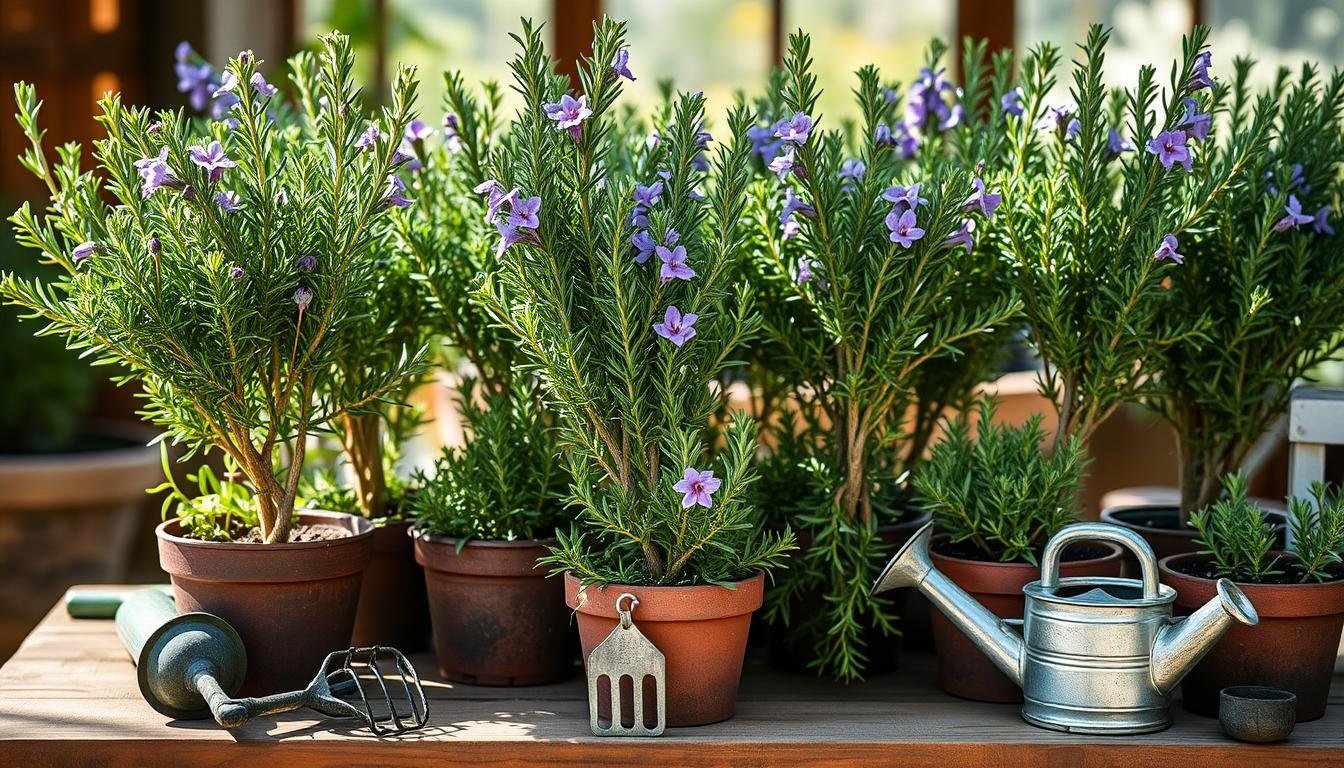
Potted Rosemary Trees: A Beautiful, Fragrant Gift for Zone 9 Gardeners 🌿
You know that feeling when you walk past something and its fragrance just stops you in your tracks? That’s rosemary. For over 5,000 years, this Mediterranean treasure has been gracing gardens, kitchens, and hearts with its pine-like aroma and silvery-green needles. Here in the Houston suburbs, where our Zone 9 heat can be relentless, a potted rosemary tree isn’t just a beautiful gift—it’s a faithful companion that thrives when so many other plants struggle.
If you’ve been looking for the perfect gift for a fellow gardener or someone who loves fresh herbs, let me tell you why a potted rosemary tree might be exactly what you’re searching for. It’s practical, it’s gorgeous, and it carries a kind of timeless grace that feels personal and thoughtful all at once.
Free eBook
Rooted in Grace
A Christian guide to intuitive gardening — the whole book, free. Tell me where to send it and it’s yours in a minute.
Understanding Rosemary’s Mediterranean Heritage 🏛️
There’s something about plants with history that makes them feel more than just botanical specimens. They carry stories. Rosemary certainly does.
The Origin Story: “Dew of the Sea”
Rosemary originates from the Mediterranean coastlines—Southern Europe, the Middle East, Northern Africa, and Western Asia. The name itself, “rosmarinus,” translates to “dew of the sea,” a nod to how these plants grew wild on seaside cliffs in their native regions. Isn’t there something poetic about that? A plant born from salt spray and rocky soil.
In ancient Greece, rosemary was considered sacred to Aphrodite and was deeply connected to memory and remembrance. Students actually wore wreaths of rosemary around their heads while studying—not as fashion, but as a spiritual practice to sharpen their minds. The Romans carried this reverence forward, believing rosemary had protective and purifying properties.
Why Rosemary Matters: An Ancient Resilience
What strikes me most about rosemary is its longevity. These plants live 20 to 30 years, sometimes longer. They’re not delicate or fussy. They’re survivors—tough, persistent, and utterly reliable. That’s something we can learn from, isn’t it? In a world that often demands quick results, rosemary teaches us the value of slow, steady growth.
| Characteristic | Details |
| Lifespan | 20-30 years (sometimes longer) |
| Growth Habit | Evergreen, woody stems |
| Soil Preference | Well-drained, slightly alkaline |
| Sunlight Needs | Full sun (6-8 hours minimum) |
| Pest Resistance | Excellent (repels deer, rabbits, insects) |
| Water Needs | Low to moderate, drought-tolerant |
The Many Faces of Rosemary: A Gift for Every Gardener 🎁
One of the reasons I love recommending rosemary as a gift is its incredible versatility. There are over 30 varieties to choose from, which means you can match the plant to the person. And here’s what makes it especially perfect for our Zone 9 Houston area: rosemary genuinely thrives here.
Growth Forms and Sizes
Rosemary comes in several forms. You have the upright varieties that grow tall and columnar—perfect for creating structure in a container garden or framing a doorway. There are spreading, ground-cover types that cascade beautifully from hanging baskets. And then there are the mounding forms that create natural, rounded shapes. Some varieties stay compact at 2 feet, while others can reach 6 feet or taller. There are even topiary-trained specimens that look like living sculptures.
For Houston gardeners, this variety is a gift. Someone with limited space can grow an upright ‘Tuscan Blue’ in a tall container on their patio. Someone with a sprawling yard might plant a spreading form to border a pathway. A new gardener might appreciate a dwarf variety that won’t quickly outgrow its pot.
Culinary and Aromatic Magic
Beyond beauty, rosemary is deeply practical. Those fragrant, needle-like leaves are edible and add unmistakable flavor to soups, roasted meats, focaccia, and even cocktails. The flowers—which bloom in shades of purple, blue, pink, or white depending on the variety—are also edible and add a delicate, peppery note to dishes.
But here’s something gardeners in our humid climate appreciate: rosemary’s natural oils make it excellent at repelling pests. Mice, mosquitoes, and other unwanted visitors tend to avoid it. It’s like having a natural guardian standing watch in your garden. 🛡️
Resilience in Our Zone 9 Climate
What makes rosemary especially valuable for us in the Houston suburbs is how well it handles our specific conditions. Our summers are hot and often humid—not ideal for Mediterranean plants. Yet rosemary handles it. It tolerates heat, drought, humidity spikes, and even air pollution. It doesn’t demand perfect conditions. It simply asks for good drainage and sun.
Sanda’s Zone 9 Note: In our Houston area, the key to thriving potted rosemary is ensuring excellent drainage. Use a pot with drainage holes and soil specifically formulated for Mediterranean herbs or succulents. During our humid summers, air circulation matters more than in drier climates. Place your potted rosemary where it catches a breeze, and you’ll see better leaf health and less fungal issues.
Growing Potted Rosemary: The Essentials 🌱
Creating the Right Container Environment
When you’re gifting a potted rosemary tree, or growing one for yourself, the foundation is everything. Rosemary doesn’t forgive waterlogged roots. Choose a container with drainage holes—terra cotta or clay is ideal because it breathes and allows soil to dry out naturally. In our Houston humidity, airflow through the pot matters.
The soil should be well-draining. I recommend a mixture specifically formulated for Mediterranean herbs, or you can create your own by combining two parts potting soil with one part perlite or coarse sand. This mimics the rocky, lean soils rosemary knows in its native habitat.
Light and Placement
Rosemary loves sun. Give it at least 6-8 hours of direct sunlight daily, ideally more. On your patio or near a south-facing window indoors, it will thrive. This is non-negotiable. Rosemary in shade becomes leggy and weak—it loses that compact, robust character that makes it so appealing.
Watering with Wisdom
Here’s where many well-meaning gardeners stumble: we tend to overwater rosemary. Remember, this plant is drought-tolerant. It evolved in dry, rocky places. Water when the top inch of soil feels dry to your touch. In our Houston summer, that might be every 5-7 days in a pot. In cooler months, it might be every 10-14 days. The soil should never stay soggy.
Sanda’s Garden Wisdom: The most common reason potted rosemary fails is overwatering in humid conditions. If you notice yellowing leaves or a musty smell from the soil, you’re watering too much. Let the pot dry out between waterings. When in doubt, wait. Rosemary will show you it’s thirsty; it will never complain about being on the dry side.
Fertilizing Modestly
Rosemary doesn’t need heavy feeding. It actually prefers lean soil—it’s part of its character. A light feeding in spring with a balanced, slow-release fertilizer is plenty. Some gardeners skip fertilizer altogether and let the soil gradually deplete over time, which is perfectly fine. The plant doesn’t expect abundance; it expects perseverance.
Pruning and Shaping
Regular pruning keeps your rosemary compact and encourages bushier growth. Pinch back the growing tips throughout the growing season. You can harvest leaves for cooking at the same time—it’s practical and keeps the plant tidy. If your rosemary gets woody or leggy, you can cut it back more aggressively in early spring. The plant responds well to pruning and will regenerate.
Rosemary as a Meaningful Gift 💝
Throughout history, rosemary has symbolized remembrance, loyalty, and constancy. It was used in weddings, funerals, and ceremonies across many cultures. That history matters when you’re giving a gift. You’re not just giving a plant; you’re giving something with meaning.
A potted rosemary tree says: “I see you as someone who appreciates beauty, practicality, and things that last. I’m giving you something that will be here, growing stronger, year after year.” Whether it’s for a teacher, a host, a new homeowner, or a fellow gardener, rosemary carries that message.
And in our Zone 9 Houston climate, it’s a gift that will genuinely flourish. Unlike some trendy houseplants that fade away, a well-cared-for rosemary tree becomes part of your outdoor living space for decades.
Quick Reference: Potted Rosemary Care for Zone 9 📋
| Care Element | Zone 9 Houston Guidelines |
| Container Size | 10-14 inches for starter plants; increase as needed |
| Soil Type | Mediterranean or succulent blend with perlite |
| Watering Frequency | Every 5-7 days (summer); every 10-14 days (winter) |
| Sunlight | 6-8+ hours direct sun daily |
The Seasons of Rosemary in Houston’s Heat 🌞
One thing I’ve learned about growing potted rosemary here in Zone 9 is that our seasonal rhythm is different from what traditional gardening guides describe. Our mild winters and intense summers mean rosemary’s growth pattern looks a bit different than it does up north.
In Houston, rosemary actually experiences its most vigorous growth in fall and spring when temperatures moderate. Late September through November is when you’ll notice new shoots emerging and the plant reaching toward fuller, more robust growth. This is the ideal time to do heavier pruning or fertilizing if you choose to feed at all. Then spring—roughly March through May—brings another wave of growth and often beautiful blooms.
Summer here is when rosemary essentially holds steady. It’s not dormant, but it’s conserving energy. This is when that deep root system and drought tolerance really shine. Your potted rosemary will be just fine in the heat, especially if it’s positioned where it gets morning sun but afternoon shade during peak July and August temperatures. Some afternoon protection actually helps prevent scorching on container plants, which experience more temperature extremes than in-ground specimens.
Winter in our area is almost non-existent by traditional standards. We might have a few hard freezes, but extended cold rarely happens. Your potted rosemary will stay evergreen and actually maintain most of its foliage year-round. This is such a gift compared to colder zones where rosemary might go dormant or need protection. You get a living, fragrant reminder of the garden’s constancy even in January. 🌿
Container Upsizing and Long-Term Care
If you receive a potted rosemary tree as a gift—or if you’re giving one—it’s worth understanding how the plant grows in its container over time. Rosemary is a slow-growing perennial, so you’re not going to face the need to repot annually like you might with fast-growing annuals.
When you first receive your rosemary, let it settle for a few months. Watch how it responds to your specific patio or garden location. Does it seem to be flourishing, or is it stretching toward light? Once you’ve found the right spot and the plant seems happy, you can think about the future.
Every couple of years—or when you notice roots starting to circle the drainage holes—you might gently move your rosemary to a pot one or two sizes larger. This is a gentle process. Rosemary doesn’t appreciate being disturbed, so take your time. Remove it carefully, loosen the root ball just slightly, and settle it into fresh Mediterranean-blend soil. Water lightly and let it readjust for a few weeks before resuming normal care.
Many gardeners actually keep their potted rosemary in the same container for years, simply refreshing the top inch or two of soil each spring. The plant adapts beautifully to container life. This constraint actually encourages the compact, tidy growth habit that makes potted rosemary so visually appealing. There’s a lesson there: sometimes limitation creates beauty rather than hindering it.
Sharing Rosemary: Propagation as a Gift Within a Gift
Here’s something that deepens the gift-giving even further. Once your potted rosemary tree is established and thriving, you can propagate new plants from it to share with others. It’s one of my favorite ways to spread abundance in the garden community.
Taking cuttings from rosemary is straightforward. In spring or early summer, select a healthy, non-flowering stem about 4-6 inches long. Remove the lower leaves, leaving just a few at the tip. Dip the cut end lightly in rooting hormone powder—this helps but isn’t absolutely necessary—and insert the cutting into a small pot of moist, well-draining soil. Keep it in indirect light and maintain gentle moisture (not wet) for 3-4 weeks. Roots typically develop by then, and you have a new rosemary plant ready to gift to someone else.
There’s something profoundly meaningful about this. A single potted rosemary tree becomes a source of many plants. A gift multiplies. Someone gives you rosemary, you grow it faithfully, and eventually you’re able to give rosemary from your own hands to someone else. The plant becomes a living symbol of generosity continuing in circles.
Sanda’s Tip: Keep propagation cuttings in a warm spot (around 70°F) with indirect light. A bright windowsill or sheltered corner of your patio works well in Houston. Rosemary cuttings can be slow to root—sometimes taking 4-6 weeks—so patience is part of the process. Resist the urge to check constantly; just keep the soil lightly moist and let time do its work.
Pairing Rosemary with Other Zone 9 Plants
If your potted rosemary is going to live on a patio or in a container garden, you might wonder what other plants pair well with it. This is where understanding Mediterranean and drought-tolerant plants becomes helpful.
Rosemary grows beautifully alongside other herbs like thyme, oregano, and lavender. These plants share similar needs—full sun, excellent drainage, modest water—so they’re natural companions. They also create a lovely sensory experience together; the scents mingle and create something richer than any single plant alone.
In terms of visual pairing, silvery-foliaged plants complement rosemary’s gray-green needles. Dusty miller, artemisia, or senecio create harmonious color combinations. If you want to introduce some contrast, deep-purple or dark-fo
Ready to Go Deeper in the Garden?
If this article resonated with you, you might be ready for something more than tips.
- Download the FREE Rooted in Grace eBook
- Get the Rooted in Grace Print Book on Amazon
- Join Rooted Reset
- Follow on Instagram – @southernsoils
- Save on Pinterest – @southernsoilsunshine
- Join on Facebook – Southern Soil Sunshine
“The garden is not just a place to grow plants – it is a place to grow yourself.”
Free eBook
Before you go — the book is yours
Rooted in Grace: A Christian Guide to Intuitive Gardening. No cost, no catch. Read it on any device, at whatever pace the season allows.