Christmas Eve Garden Traditions Around the World
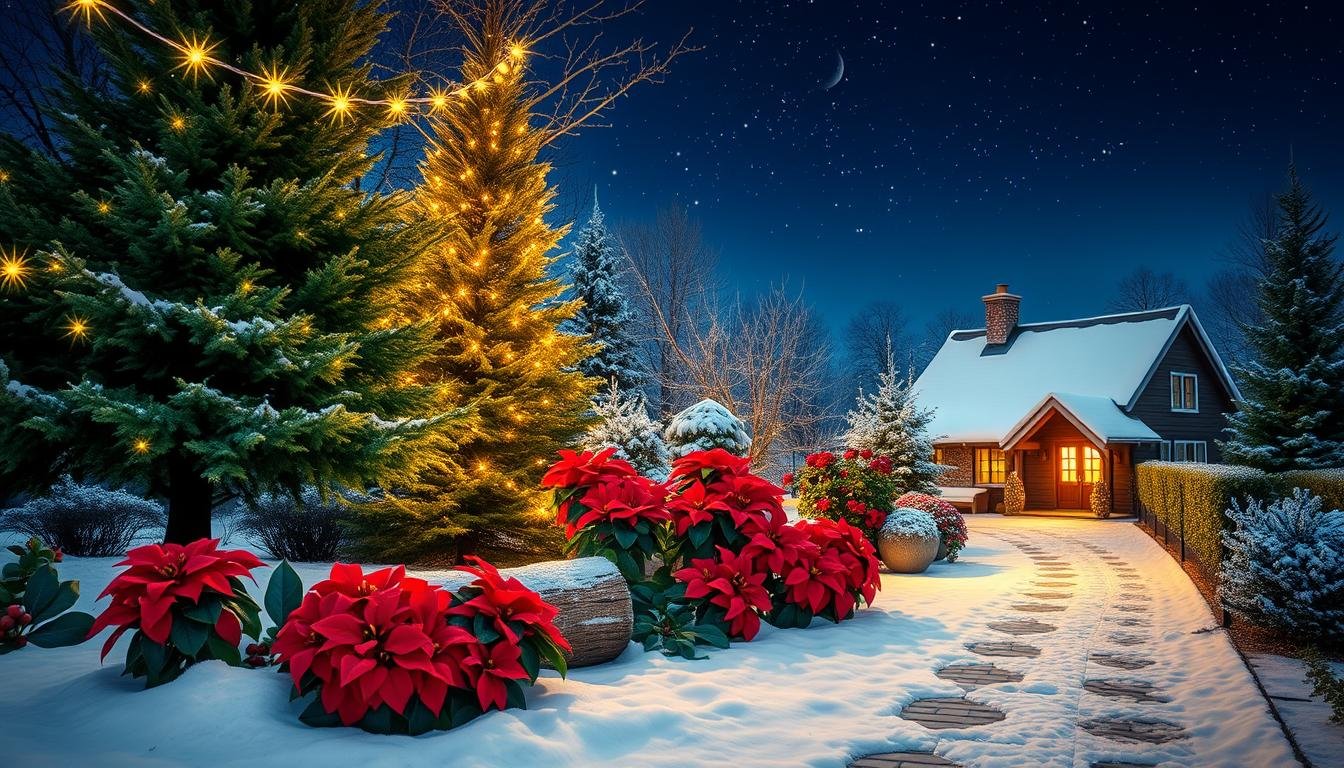
Christmas Eve Garden Traditions Around the World—And What We Can Grow Here in Zone 9 🌿
Did you know Christmas trees grow in all 50 U.S. states, even Hawaii and Alaska? That’s a beautiful reminder that our gardens—no matter where we live—can be part of something sacred and deeply human during the holidays. Here in the Houston suburbs, our Zone 9 gardens offer us something unique: the chance to celebrate Christmas Eve with living greenery that actually thrives in our warm, moist climate.
I’ve always loved how the holidays invite us to pause and observe our gardens differently. While folks up north are watching snow settle on their evergreens, we’re tending plants that’ll still be growing come January. That’s not a limitation—it’s an invitation to create our own meaningful traditions rooted in the reality of our soil and season.
Free eBook
Rooted in Grace
A Christian guide to intuitive gardening — the whole book, free. Tell me where to send it and it’s yours in a minute.
The Deep Roots of Evergreen Traditions 🌲
When we decorate with greenery at Christmas, we’re participating in something ancient and universal. Long before commercial Christmas trees became a status symbol, our ancestors understood something profound: in the deepest, darkest part of winter, green growing things speak to hope.
Winter Solstice and the Symbolism of Life Returning
The Celtic, Norse, and Germanic peoples decorated with evergreen branches thousands of years ago. They weren’t being sentimental—they were making a spiritual statement. In those dark December days, when the sun barely crested the horizon, evergreens stood as living proof that life persists. That growth continues. That renewal is coming.
For us in Houston, this resonates differently. We don’t face those brutal Northern winters, but we do experience a quieting of our gardens. Our tropical plants rest. Our native plants slow. And yet, when we bring in fresh greenery—whether it’s Texas cedar, native hollies, or even the unexpected greenery of our winter-blooming camellias—we’re making the same ancient gesture: we’re saying, “Life is here. Hope endures.”
Ancient Egypt and Rome: Victory Over Darkness
Egyptians filled their homes with green palms during winter to symbolize life’s triumph over death. Romans honored Saturn during Saturnalia by draping evergreen boughs throughout their homes. These weren’t random choices. They were deliberate acts of faith—planting ourselves firmly on the side of light and life, even when darkness seemed to win.
Sanda’s Zone 9 Note: Here in Houston, consider using Texas mountain laurel branches, native yaupon holly, or evergreen ferns as your “ancient greenery.” These plants actually thrive in our climate and carry the same spiritual weight as Northern evergreens. You’re working *with* your garden’s nature, not against it.
Christmas Eve Traditions Across Europe—And How We Adapt Them Here
Let me take you on a little garden tour through Europe’s Christmas Eve traditions, and then we’ll talk about making them meaningful in our own Houston backyards.
Germany: The Birthplace of the Modern Christmas Tree 🕯️
The Germans didn’t invent evergreen decoration, but they did transform it into the Christmas tree tradition we know today. Starting in the 16th century, German families gathered around decorated firs on Heiliger Abend—Holy Evening. By the 1820s, when German communities settled in Pennsylvania, they brought this practice to America.
The German Advent wreath—with its four candles marking the four Sundays before Christmas—is pure poetry. It’s about pacing ourselves, lighting one candle each week, creating a gentle countdown that honors both the waiting and the anticipation.
Here’s what I love about adapting this for our Zone 9 gardens: we can create Advent wreaths using our native materials. Texas cedar (which isn’t actually a cedar—it’s a juniper, but that’s a gardening conversation for another day), southern magnolia leaves, and branches of our native possumhaw holly create something just as meaningful as a German fir wreath, and it’s authentically *our* place.
Sanda’s Garden Wisdom: If you’re gathering greenery from your yard for holiday decorations, do it thoughtfully. Never strip a single branch bare. Take a little from here, a little from there. This is the gardener’s version of gratitude—we honor the plant by taking only what we need. And please, never harvest from plants that are stressed by our Houston heat or drought.
Sweden and Norway: The Forest Connection 🌲
Swedish families decorate their trees with straw stars and snowflakes—handmade ornaments that connect them to the land and their own hands’ creativity. Norwegian families still practice the beautiful tradition of heading into the woods on December 23 to select and cut their tree together. It’s not something you accomplish quickly; it’s something you do *together*, and that’s where the meaning lives.
For us in Houston, we might not have Nordic forests, but we have something equally precious: we can involve our families in selecting and preparing greenery from our own gardens. Walk your property together. Notice what’s thriving. Discuss what you’ll use and why. Maybe you’ll cut some Texas cedar together, or harvest some of your camellia branches once they’ve finished blooming in January. The act of *choosing* together—that’s where the tradition lives.
Ireland: Holly, Ivy, and Candlelight ✨
Irish homes on Christmas Eve glow with garlands of holly and ivy, decorated with candles. There’s something about the combination of red berries, deep green leaves, and flickering light that feels almost sacramental. It’s about bringing the outside in, yes, but it’s also about creating a sacred space—a moment where your home becomes a sanctuary.
Our native Texas holly and various evergreen options give us similar possibilities. And if you’re looking for that pop of red, consider the berries of our native possumhaw or winterberry—they’ll stay vibrant through December and into January here in Houston.
What Zone 9 Gardeners Can Actually Grow for Christmas 🌱
Let’s get practical, because I believe the most beautiful traditions are the ones we can actually sustain in our gardens year after year.
| Plant | What to Use | Best Harvest Timing | Zone 9 Notes |
| Texas Cedar (Juniper) | Branches, sprigs for wreaths | Early December | Extremely hardy; aromatic; native to our region |
| Possumhaw Holly | Branches with berries for arrangements | Late November–December | Native; red berries persist; male plants needed for berries |
| Southern Magnolia | Leaves for garlands; seed pods for decoration | Throughout season | Evergreen; glossy leaves; naturally elegant |
| Camellia | Blooms and branches for fresh arrangements | Late November–January | Blooms during our coolest months; stunning cut flowers |
| Photinia (Red Tip) | New red growth for color in arrangements | December (new growth is red) | Pruning promotes red growth; adds color beyond green |
| Fatsia Japonica | Large dramatic leaves for arrangements | Year-round | Loves our humidity; architectural foliage |
Observing Your Own Garden Right Now
Here’s where the intuitive gardening framework comes in. Before you gather a single branch, spend a few days *observing* your space. Walk around your yard. Notice what’s thriving right now in early December. Which plants are still putting out new growth? Which ones have interesting seedpods or berries? Which evergreens look full and healthy?
This is the “observe” part of the framework, and it matters. You’re not just grabbing greenery; you’re having a conversation with your garden about what it’s offering you right now.
Then comes the “reflect” part. Why does that particular piece of magnolia leaf appeal to you? Is it the way the candlelight will shine through it? Is it the texture? Is it because that magnolia has been a faithful friend in your yard for years, and you want to honor it at Christmas? When we’re intentional about our choices, our decorations become meaningful in a way that mass-produced garlands never can be.
Creating Your Own Zone 9 Christmas Eve Tradition 💚
One of my favorite things about living in Houston is that we get to define what “Christmas” looks like in our gardens. We don’t have to force Northern traditions into our warm-season climate. We can create something authentic and rooted in our actual place.
Build an Advent Wreath from Your Yard
Gather a base—some gardeners use a wire or foam form, but honestly, I love tying together branches of Texas cedar in a circle and securing them with twine. It takes 20 minutes, feels meditative, and connects your hands to your tradition.
Add four candles in holders (these can be as simple or fancy as you like). Each Sunday in December, light one more candle. This is about pacing. In our hurried world, Advent asks us to slow down.
Tuck in berries, magnolia leaves, or a sprig of camellia bloom if you’re lucky enough to have one already flowering. This isn’t about perfection; it’s about beauty emerging from what your garden is actually producing.
Sanda’s Tip: In our humid Houston climate, fresh-cut greenery will stay fresher longer if you give the cut ends a fresh slice with a sharp knife the day you cut them, and then place them in a container with water. Refresh the water every couple of days. Your wreath will stay vibrant through the entire
The Quiet Abundance of a Houston Winter Garden
There’s something we need to talk about, because it shifts how we think about Christmas greenery in Zone 9. While gardeners up North are anticipating frozen branches and dormant soil, our gardens are actually *doing something* in December. We have plants blooming, putting out new growth, and actively thriving. This isn’t background scenery to a winter holiday—this is a living, breathing part of our celebration.
Our camellias are just hitting their stride in late November and December. Our native plants are settling into their winter rhythm, but they’re still present and green. Even our warm-season shrubs haven’t completely shut down the way Northern plants do. When you gather greenery from a Houston garden for Christmas Eve, you’re not harvesting from dormancy—you’re harvesting from gentle, quiet abundance.
This changes the spiritual weight of the tradition. We’re not saying “life will return”—we’re saying “life is here, even now, even in the quieter season.” There’s something deeply comforting about that message, especially for those of us who sometimes feel left out of the “traditional” snowy Christmas narrative.
Extending Your Greenery: A Houston Timing Strategy
One thing I’ve learned from years of gathering holiday greens in our climate is that timing in Zone 9 is beautifully different from what most gardening guides tell you. Most resources assume you’re cutting in late November when everything up North is approaching frost. But here in Houston, we have a different window—and honestly, a longer one.
Texas cedar holds beautifully from early December through mid-January without drying out the way it might elsewhere. Possumhaw holly berries actually look fresher and more vibrant after we’ve had a few cool snaps—the cold intensifies their red color. And camellia blooms, if you’re gathering them for fresh arrangements, are at their absolute peak from mid-December through January, when they’ve had some cool nights to firm up and open fully.
The key is understanding that our “harvest window” doesn’t match the Northern December rush. We can afford to be patient. We can wait until early December, observe which plants look their absolute best, and *then* gather. This actually makes for better-looking holiday arrangements because we’re not cutting when plants are still stressed from heat or drought.
Consider staggering your gathering too. Cut some greenery in early December for your Advent wreath, then gather fresh branches a week or two later for your Christmas Eve arrangements. In our climate, there’s no need to do it all at once. Your garden will keep producing.
The Spiritual Practice of Gathering with Intention
I want to circle back to something important: the *way* we gather matters as much as *what* we gather. In our busy lives, it’s easy to rush out to the yard, snip what we need, and move on. But what if gathering greenery for Christmas Eve became a spiritual practice in itself?
The ancient tradition of bringing evergreens into the home wasn’t efficient—it was *intentional*. Families didn’t have pruners and a five-minute window. They took time. They walked through their forests or gardens. They chose carefully. They handled the branches with respect.
When you gather greenery from your Houston garden for Christmas, consider doing it slowly. Maybe do it early morning, when the dew is still on the plants and everything feels quieter. Notice the different textures—the feathery softness of Texas cedar, the glossy formality of magnolia leaves, the delicate structure of camellia blooms. Feel the weight of a berry-laden possumhaw branch in your hand. This is not a task to check off a list; this is a conversation with your garden about gratitude and beauty and the cycle of seasons.
There’s a reason this practice has persisted for thousands of years, across cultures and continents. When we bring living greenery into our homes at the darkest time of year—even in Houston, where “dark” is relative—we’re making a statement about faith. We’re saying that growth matters. That beauty persists. That even in the quieter seasons, life is present and worth honoring. And in a world that often feels chaotic and uncertain, that’s a powerful act of hope to practice alongside your family, year after year, in the garden you tend.
Ready to Go Deeper in the Garden?
If this article resonated with you, you might be ready for something more than tips.
- Download the FREE Rooted in Grace eBook
- Get the Rooted in Grace Print Book on Amazon
- Join Rooted Reset
- Follow on Instagram – @southernsoils
- Save on Pinterest – @southernsoilsunshine
- Join on Facebook – Southern Soil Sunshine
“The garden is not just a place to grow plants – it is a place to grow yourself.”
Free eBook
Before you go — the book is yours
Rooted in Grace: A Christian Guide to Intuitive Gardening. No cost, no catch. Read it on any device, at whatever pace the season allows.