24 Days of Garden-Inspired Christmas: Natural Advent Calendar Ideas
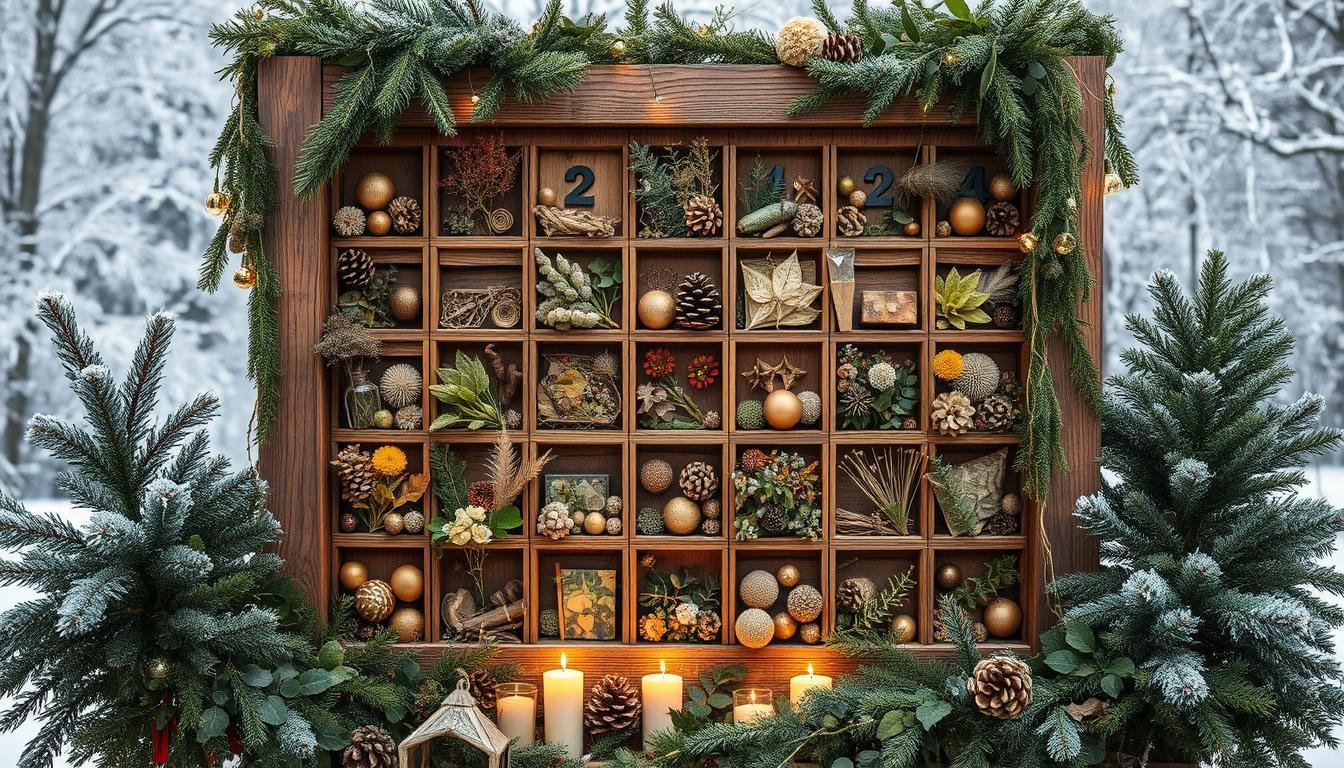
24 Days of Garden-Inspired Christmas: A Natural Advent Calendar for Zone 9 Hearts 🌿
Advent is holy anticipation—that slow, steady hope of seeds beneath winter soil, waiting for spring’s promise. As we count down these 24 days toward Christmas, we’re invited to tend not just to the earth, but to our homes and hearts. Here in Zone 9, where December still whispers green, we have a particular grace: the chance to garden even as we prepare for the holy day.
This year, let’s trade plastic trinkets for simple, natural joys—seeds to sow, herbs to savor, kindness to share. A garden-inspired Advent turns December into a gentle ritual of stewardship, beauty, and belonging. Think of it as a living countdown: 24 small acts that root us in creation, nurture our homes, and make room for wonder. You can tuck these ideas into reusable drawers, kraft envelopes, tiny jars, or cloth bags—each one a step toward a greener, grace-filled season.
Free eBook
Rooted in Grace
A Christian guide to intuitive gardening — the whole book, free. Tell me where to send it and it’s yours in a minute.
Why Choose a Low-Waste Advent Calendar? 🌱
When I started thinking about Advent a few years ago, I realized I’d been buying those plastic calendars year after year—beautiful for a moment, then destined for the landfill come January. There had to be a better way, something that honored both the season and creation itself.
Less plastic, more purpose: Traditional calendars often come wrapped in single-use packaging with throwaway fillers that spark joy for maybe five minutes. A natural, reusable version shifts the focus to simple pleasures and lasting habits—the kind that actually change how we live.
Reusable beauty: Wood, fabric, glass, and paper can be used year after year. My own Advent boxes are going on their fifth season now, and they’re more beautiful with age—more heirloom, less landfill. Your children and grandchildren might use them too.
Everyday discipleship: Choosing creation-care in small ways is a quiet, faithful practice of loving what God made. There’s something about choosing reusable over disposable, natural over plastic, that becomes a kind of prayer in itself.
Sanda’s Tip: If you’re new to this, start simple. Pick ONE container style and stick with it. I use kraft envelopes clipped to a foraged branch—takes ten minutes to set up, costs almost nothing, and feels just as intentional as anything store-bought.
Building Your Natural Advent Calendar: Simple Container Options
The beauty of a garden-inspired Advent is that there’s no “right way”—only the way that speaks to your home and heart. Let me walk you through a few approaches I’ve seen work beautifully in Zone 9 homes like ours.
Branch-and-Envelope Method
My personal favorite. Find a sturdy branch (I harvest from our crape myrtles in late fall), secure it in a tall vase with floral foam, and clip numbered kraft envelopes with clothespins along its length. It’s rustic, costs nothing if you forage mindfully, and feels like bringing the garden indoors.
Wall Pocket or Bunting Display
String a ribbon across your kitchen or bedroom wall and hang 24 small fabric pouches or linen envelopes. This works especially well if you’re short on table space. You can even make the pouches from scrap fabric—cotton from old shirts, linen from worn kitchen towels.
Mason Jar Shelf
Line up 24 small mason jars (those 4-ounce size are perfect) on a shelf or windowsill. Fill each with a treasure and tie on a numbered tag with twine. It looks like a modern apothecary and catches the winter light beautifully.
Wooden Drawers or Houses
If you have access to a wooden Advent house or drawer set, treasure it. These become family heirlooms. I refill mine each year with different seeds, notes, and small favors—some years focused on herbs, other years on wildflowers native to Texas.
What to Fill Each Day: Fillers for a Garden-Inspired Advent
The magic happens in the choosing. Here’s what I consider when filling each numbered space:
| Filler Category | Zone 9 Examples | Why It Matters |
| Seed Packets | Native wildflowers (black-eyed Susan, coreopsis), cool-season herbs (cilantro, dill), microgreens | Hope in a tiny envelope; can be sown immediately or saved |
| Tea & Spice Blends | Mint from your garden, lemon balm, chamomile, warming chai blends | Homemade feels sacred; tastes like care |
| Kindness or Garden Tasks | Written notes with prayer prompts, nature observations, or small service ideas | Turns Advent into a practice, not just a consumption |
| Biodegradable Supplies | Jute twine, kraft paper tags, pressed botanicals, wood plant markers | Useful for the gardener; returns to earth |
| Small Tools | Mini scissors, plant ties, wooden labels, dibber | Practical gifts that support the garden life |
Sanda’s Zone 9 Note: December in Houston can still be warm enough for outdoor activities mid-month. Don’t put “start seeds outdoors” prompts too early—wait until after the winter solstice when days begin lengthening. And watch your watering! Even in winter, we can go dry quickly in this climate.
The 24-Day Garden-Inspired Advent Plan for Zone 9 🌲
Use these as daily notes, tuck-in favors, or family rituals. Feel free to customize for your own rhythm and the Texas gardening calendar. Not every day needs to be garden-focused—some are simply about reflection and kindness.
December 1: Set the Intention
Light a candle. Take a breath. Whisper a prayer—something like, “Lord, teach us to wait well.” Then, in a small notebook, write one way you’ll practice creation-care this month. Maybe it’s composting food scraps, or finally planting that bare-root rose you’ve been saving, or simply spending ten minutes each morning watching the garden wake up.
December 2: Sow Microgreens
Start a shallow tray of pea shoots or sunflower microgreens on a sunny windowsill. In 10–14 days, you’ll have tender greens for salads, stir-fries, or garnishes. There’s something miraculous about watching life burst from seed so quickly.
December 3: Force Paperwhites
Nest bulbs into pebbles or marbles and add water just to the base. Place in bright light and watch as roots emerge, stems stretch, and tiny white flowers open—hope rising in a glass. These bloom reliably in Zone 9 and fill a room with sweetness.
December 4: Dry Orange Slices for a Garland
Slice citrus thin, lay on a baking sheet, and dry in a low oven (200°F for 2–3 hours) or on a sunny windowsill. String on twine with cinnamon sticks and sprigs of evergreen. Simple, fragrant, and completely compostable beauty.
December 5: Blend a Warming Herb Tea
Dry mint, lemon balm, and chamomile from your garden, or blend a chai with dried ginger and cinnamon. Brew a pot, breathe in the steam, and be present. This is medicine and prayer rolled into one warm cup.
December 6: Fold Seed Envelopes and Sort Saved Seeds
If you saved seeds this year, now’s the time to organize them. Use kraft paper or pages from old calendars to fold simple envelopes. Label each with variety, date, and any notes. Store in a cool, dry place. Future-you will be so grateful.
December 7: Refresh or Make Beeswax Wraps
Beeswax wraps are a reusable swap that keeps food fresh and plastic out of the bin. Melt beeswax into 100% cotton fabric squares, let dry, and use instead of plastic wrap. They last a year or more and become an everyday practice of sustainability.
December 8: Craft Twig Stars or Cinnamon Stick Ornaments
Gather fallen twigs (stewardship begins with what’s already on the ground), arrange into a star shape, and secure with twine. Add a sprig of rosemary or dried herb. Hang on your tree or gift to a friend.
December 9: Care for Winter Birds
Clean your bird feeders, refresh the seed, and set out suet or seed bells. In a season focused on love and care, this simple act feeds both the birds and our own sense of tending to life. Watching birds visit is free meditation.
December 10: Propagate an Herb Cutting
Snip a 4-6 inch stem of rosemary, basil, or mint and root it in water on a sunny windowsill. In 2–3 weeks, roots emerge. Pot it up and you have a living gift for someone you love—or a plant to give yourself on Christmas morning.
December 11: Make Herbal Salts or Sugars
Blend dried herbs (rosemary, thyme, oregano) with salt for roasted potatoes, or mix dried citrus zest with sugar for Christmas cookies. Layer in small jars with kraft labels. These are gifts and flavoring all in one.
December 12: Create Seed Paper Gift Tags
Blend recycled paper in water to a pulp, add wildflower seeds (Texas bluebonnets or Indian blanket are stunning), shape into tag-sized pieces, and let dry. When given as a gift, the recipient can plant them in spring and watch flowers bloom—a gift that multiplies.
December 13: Assemble a Living Table Centerpiece
Gather moss (check your shade beds), foraged evergreen branches, pinecones, and a candle in a shallow bowl. Add branches of red berries if you have them, or glycerin-treated oak leaves. This centerpiece brings the forest
Growing Grace in the Waiting: The Deeper Meaning of December Stewardship
There’s something profoundly quiet about tending a natural Advent calendar here in Zone 9, where December doesn’t fully strip the garden bare. While friends up north are watching snow settle on frozen earth, we’re still harvesting herbs, still noticing green things. This peculiar blessing—our endless growing season—becomes a particular kind of spiritual discipline during Advent.
When we choose to fill our calendar with seeds instead of plastic, with propagations instead of purchases, we’re saying something true about hope itself. Advent is about waiting, yes, but not passive waiting. It’s the kind of waiting a gardener knows intimately: the active, attentive tending that happens while you’re anticipating growth you can’t yet see. You water. You observe. You adjust. You trust. Those 24 small acts—the microgreens sprouting, the paperwhites unfurling, the herb cuttings reaching for light in a windowsill—they’re all teaching us the language of faithful expectation. They remind us that Christmas doesn’t arrive all at once; it arrives through a thousand small preparations, small acts of care, small choices to honor what’s been given to us.
This is especially true in our Houston climate, where the gardening calendar doesn’t pause for December the way it does elsewhere. We don’t get the luxury of dormancy as a metaphor; instead, we get a living one. Cool-season crops are actually thriving. Herbs are still fragrant and harvestable. Bulbs are beginning their underground stirring. When we slow down enough to notice and tend to these things during Advent, we’re participating in the very rhythm that creation itself is keeping—not resting, but rather shifting into a different kind of growth. Slower. Quieter. More inward. More alive in ways that only become visible if we’re paying attention.
That’s the invitation of a garden-inspired Advent in Zone 9: to notice that waiting and growing aren’t opposites, but partners. To understand that stewardship during the holy season isn’t about grand gestures, but about small, faithful choices made over time. To realize that by choosing reusable over disposable, by tending to living things instead of consuming more things, we’re already living our faith—not someday, but today, in the soil under our fingernails and the seeds in our envelopes.
Timing Your Advent Fillers for Houston’s Winter Garden
One of the trickiest parts of planning a natural Advent calendar in Zone 9 is the unpredictability of our winter. We might have a 75-degree day on December 15th followed by frost on the 18th. We rarely know what Mother Nature will deliver, and that uncertainty matters when you’re filling envelopes with garden-inspired prompts.
The key is front-loading your calendar with indoor projects for the first week—things that don’t depend on outdoor conditions. Microgreens, paperwhites, propagating cuttings, tea blending, seed organizing: these all live on your windowsill and reward you regardless of what December throws at us. By the time we reach mid-Advent (around December 10th), you can start introducing outdoor tasks, but only those suited to our particular climate. Planting bare-root roses? Perfect for late December in Houston. Planting tender annuals? Still too risky. Observing the garden and noting what’s still green? Always relevant.
Here’s another Houston-specific consideration: water. Our December can be bone-dry, and even though temperatures are cooler, newly propagated cuttings and winter seedlings still need consistent moisture. If you’re planning to include propagation projects in your first week, set up a small watering reminder for those middle weeks of Advent. It seems small, but it’s part of the stewardship—it’s the faithful tending that makes the whole thing work.
Sanda’s Garden Wisdom: If you’re new to planning an Advent calendar around your Zone 9 garden, sketch out your calendar on paper first. Group your first 8 days as “indoor windowsill magic,” days 9–16 as “outdoor observation and prep,” and days 17–24 as “finishing touches and reflection.” This rhythm respects our climate’s quirks and sets you up for success instead of disappointment.
Teaching Children (and Ourselves) the Language of Living Gifts
One of the sweetest outcomes of a garden-inspired Advent is what happens when children (or you, if you’re rediscovering wonder) realize that the most meaningful gift isn’t something you unwrap and throw away—it’s something you plant and tend and watch become something new. There’s a radical reframing that happens when a seven-year-old opens an envelope on December 10th to find not a toy, but a seed packet and a note that says, “This becomes your spring garden.”
The seed packet sits on the windowsill. Questions arise: When do we plant it? Where? What does it need? What will it look like? There’s anticip
Ready to Go Deeper in the Garden?
If this article resonated with you, you might be ready for something more than tips.
- Download the FREE Rooted in Grace eBook
- Get the Rooted in Grace Print Book on Amazon
- Join Rooted Reset
- Follow on Instagram – @southernsoils
- Save on Pinterest – @southernsoilsunshine
- Join on Facebook – Southern Soil Sunshine
“The garden is not just a place to grow plants – it is a place to grow yourself.”
Free eBook
Before you go — the book is yours
Rooted in Grace: A Christian Guide to Intuitive Gardening. No cost, no catch. Read it on any device, at whatever pace the season allows.